Vascular Surgery, Service, and Human Connection in Nigeria
A global surgery reflection from 10 days in Lagos and Bayelsa: vascular and endovascular care with Dr. Herbert Oye, the realities of limb salvage, and the kindness that shaped every part of the experience.
On this page
Arrival in Lagos
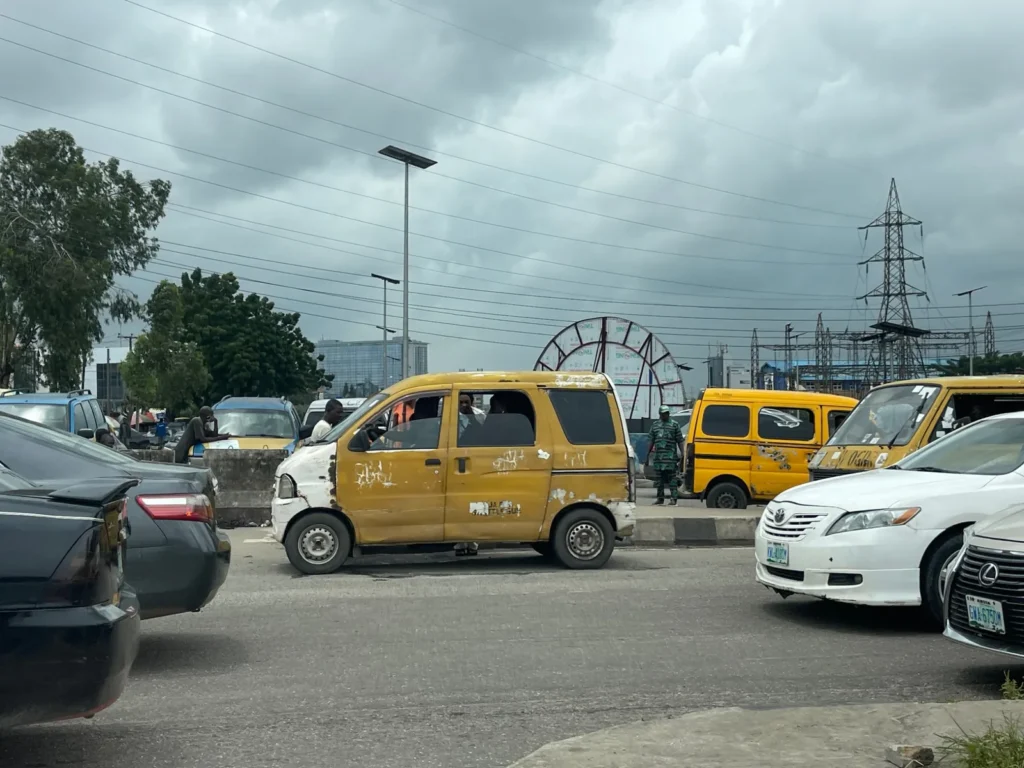
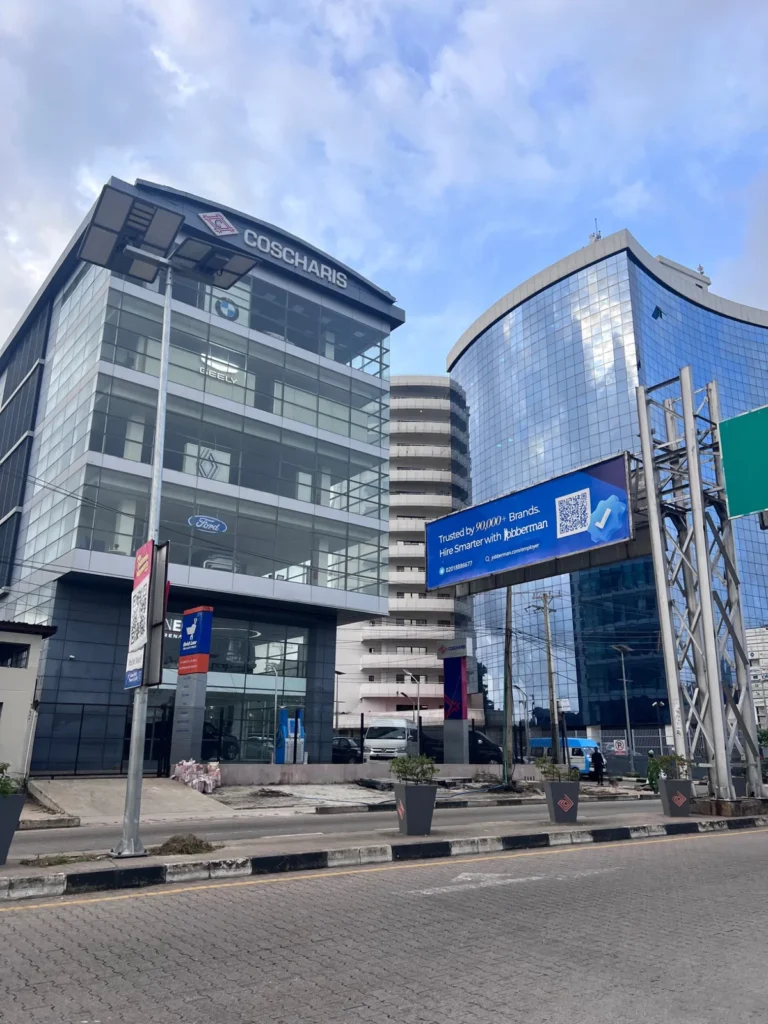
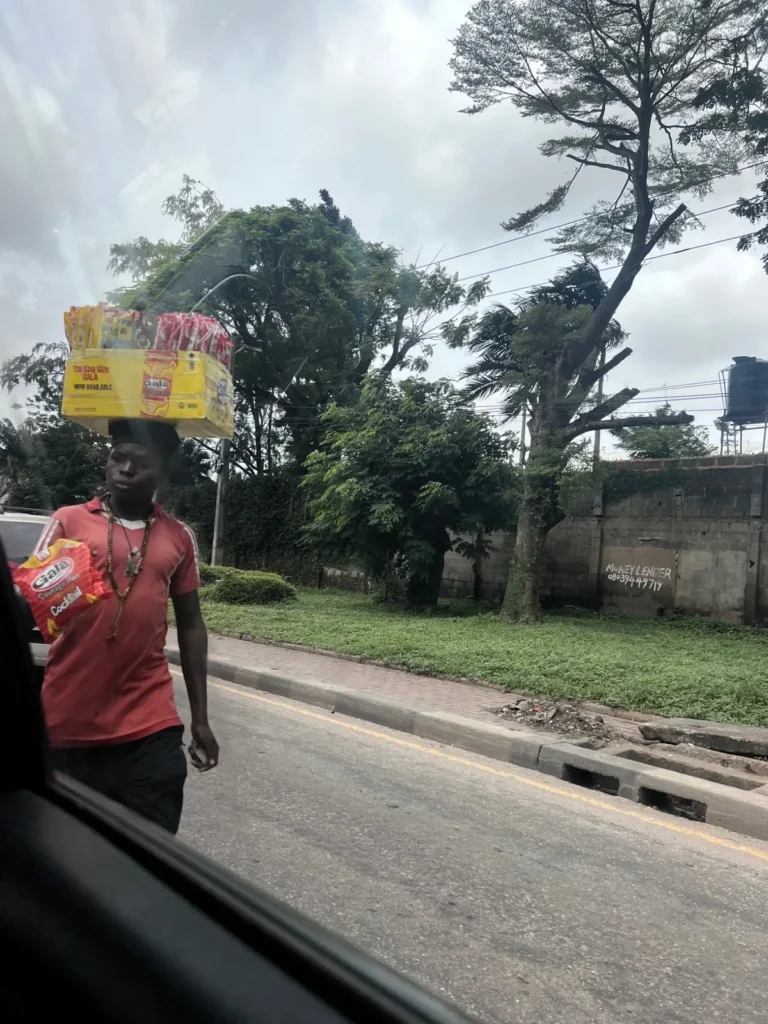
Landing in Lagos immediately immersed me in the city’s constant movement and energy. The streets were filled with the sounds of horns, conversation, and vendors walking between lanes of slow-moving traffic to sell food and other goods directly to drivers. Watching them move so close to the cars was frightening to me at first, although everyone around me appeared completely accustomed to it. I was equally amazed by the drivers, who maneuvered large vehicles flawlessly through narrow streets, crowded intersections, and parking spaces that seemed impossibly small. The hustle and bustle of Lagos felt overwhelming at times, but it also reflected a city full of energy, adaptability, colorful garments and everyday life.
Although everyone we encountered spoke English, many people also spoke languages connected to their own communities and cultural identities. Communication was relatively easy, while the natural movement between English, Nigerian Pidgin, and local languages reminded me of Nigeria’s remarkable linguistic and cultural diversity. Language never felt like a barrier to the warmth and connection we experienced. From the beginning, the people I met were welcoming, patient, positive, and kind.
I considered it a privilege to accompany Dr. Herbert Oye to Nigeria as part of my clinical surgery rotation through Avalon University School of Medicine. The opportunity allowed me to learn from his expertise while experiencing vascular surgery within a healthcare system and cultural setting very different from those in which I had previously trained.
Endovascular Care in Lagos
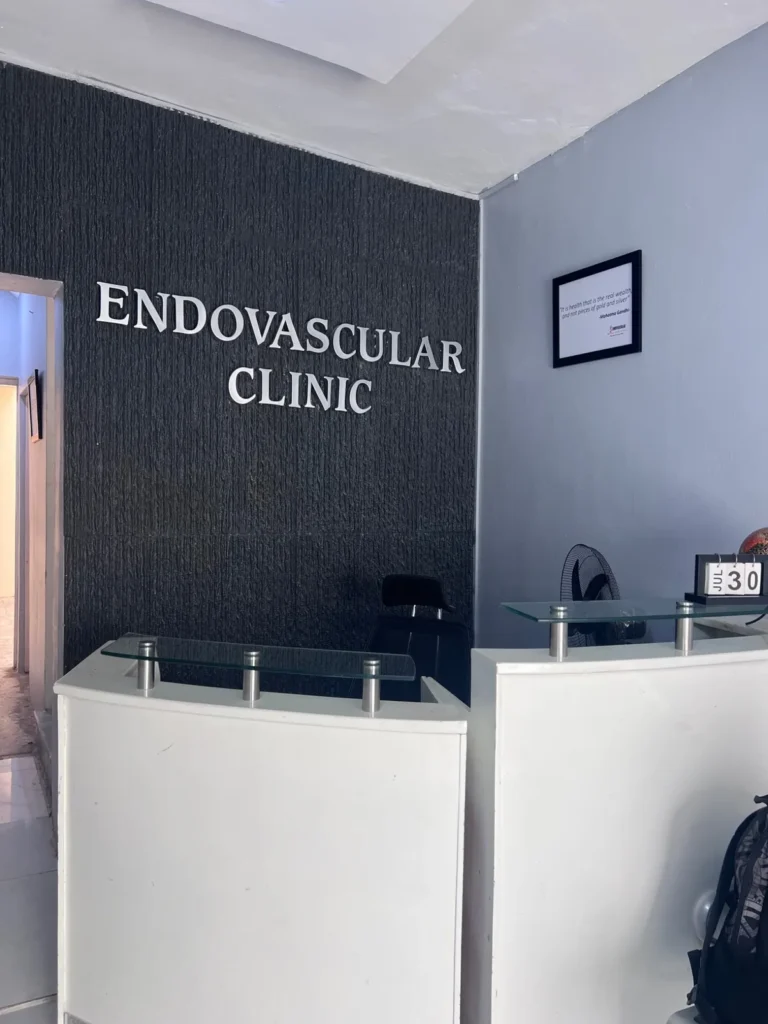
My clinical experience began in Lagos, where I participated in the Endovascular Clinic and evaluated patients with peripheral arterial disease, wounds, amputations and limb-threatening ischemia. I learned to connect the patient’s symptoms and physical examination with vascular imaging and to consider whether medical management, an open operation, or an endovascular intervention offered the best opportunity to preserve the limb. These encounters demonstrated that vascular disease does not affect blood vessels alone. Pain, nonhealing wounds, and impaired mobility can threaten a patient’s independence, livelihood, and ability to care for a family.
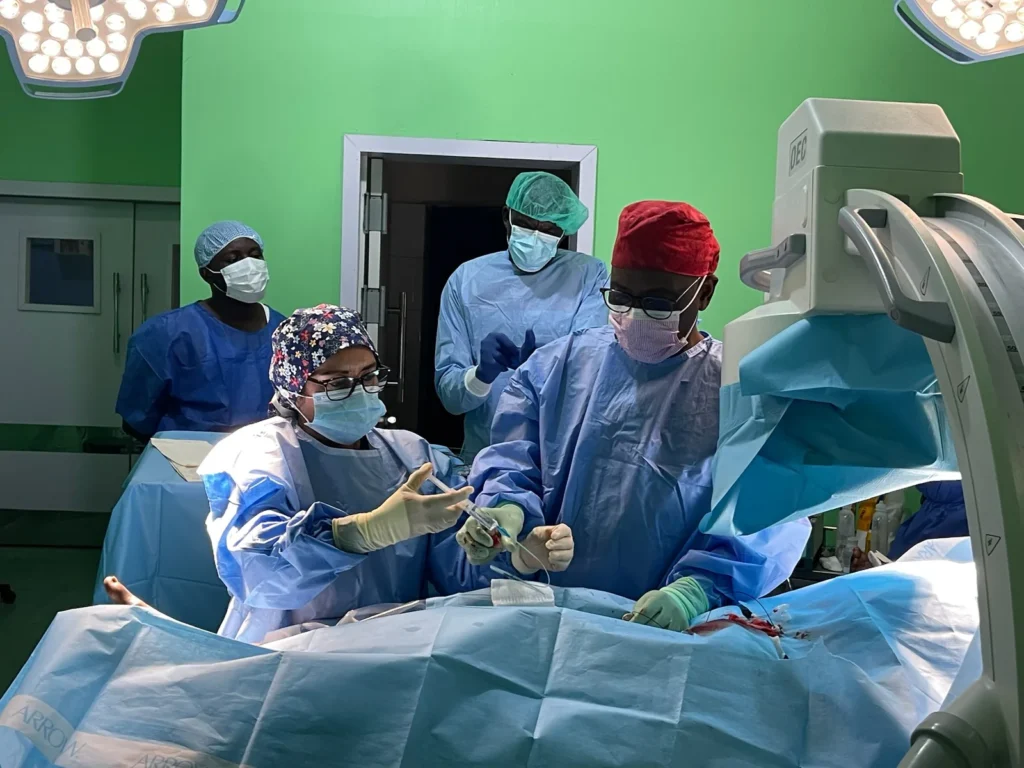
One case in Lagos made the functional impact of endovascular intervention especially tangible. A middle-aged woman arrived in a wheelchair with profound difficulty ambulating and required the assistance of several people for transfers and mobility. On examination, her dorsalis pedis and posterior tibial pulses were diminished. After angiographic evaluation, she underwent lower-extremity revascularization. Remarkably, by postoperative day two, the woman who had arrived in a wheelchair and required assistance with nearly every movement was now walking—an extraordinary transformation that made the impact of restored perfusion immediately visible. Observing such a rapid improvement transformed the goal of revascularization from an angiographic endpoint into something immediate and human: restored mobility, greater independence, and renewed confidence.
A patient we encountered in Lagos offered an especially important lesson about the relationship between vascular disease and the surrounding healthcare environment. A 36-year-old woman required a central line and had a history of repeated pentazocine use, which can result in severe injection-site injury, chronic wounds, infection, tissue necrosis, scarring, and vascular damage. The case reminded me that vascular intervention may require much more than restoring blood flow. It may also require compassionate pain care, wound management, treatment for substance dependence, patient education, and reliable follow-up. Most importantly, it reinforced the need to understand the circumstances behind a patient’s illness rather than treating only its physical consequences.
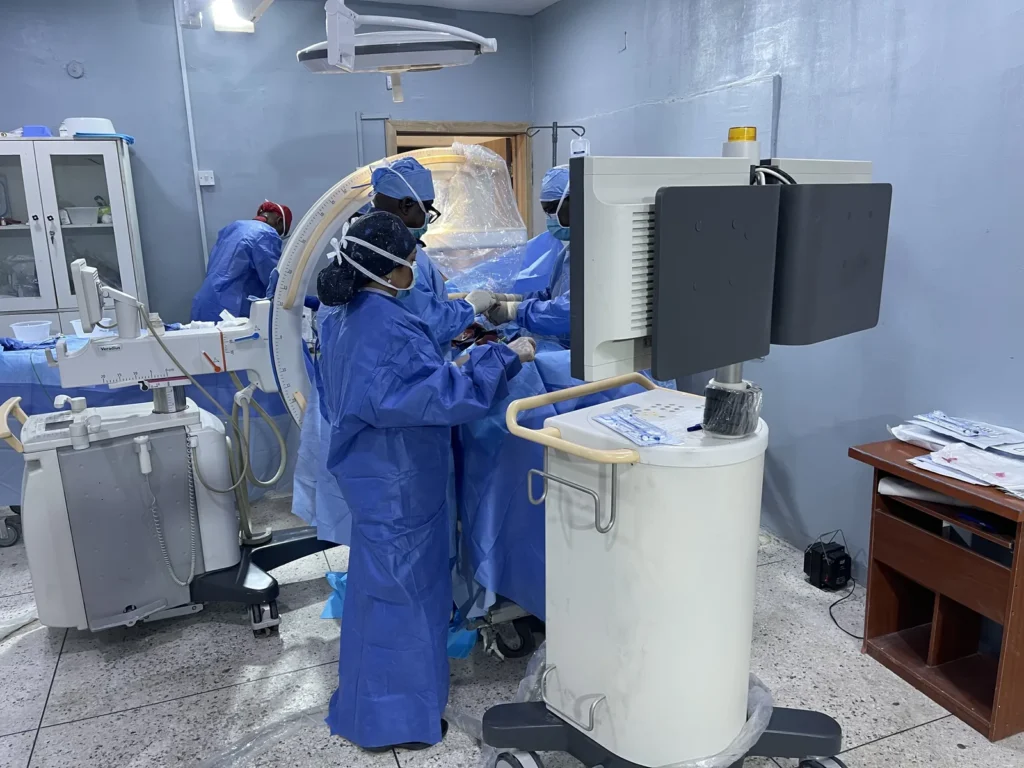
My husband, Paul Kaplan, was also an important part of the team and a tremendous source of support throughout our time in Nigeria. He helped coordinate the equipment and supplies needed in the operating room, assisted with preparing the procedural space, and supported the operation of the fluoroscopy equipment during cases. His adaptability and willingness to help wherever needed contributed to the team’s work, particularly in an environment where specialized resources were limited. Having him working alongside me also made this demanding and meaningful experience even more special.
Working with Dr. Herbert Oye gave this experience additional meaning. It was striking to see how deeply he was respected by patients, colleagues, and hospital staff. People clearly trusted his expertise, judgment, and leadership, and some patients traveled extraordinary distances from other states because they knew of his work and believed he could provide specialized care that was not readily available closer to home. That trust reflected not only his technical expertise, but also the relationships and reputation he had built through years of commitment to his patients. His compassion, patience, and enthusiasm for teaching showed me how technical skill and service can reinforce one another.
From Lagos to Bayelsa
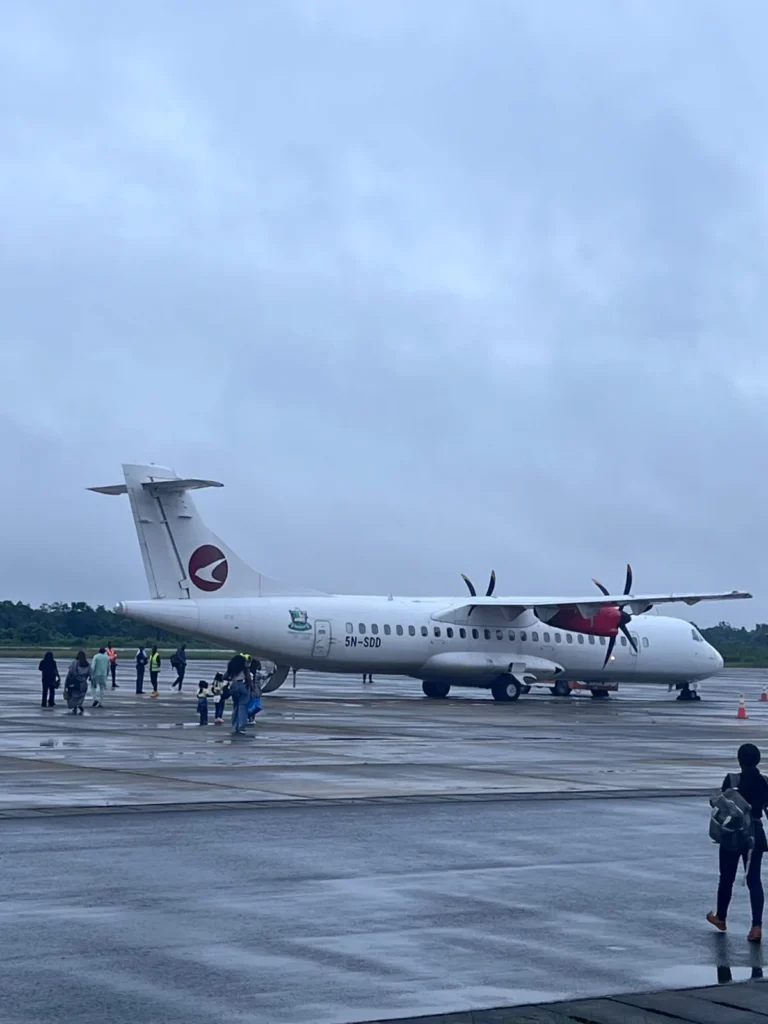
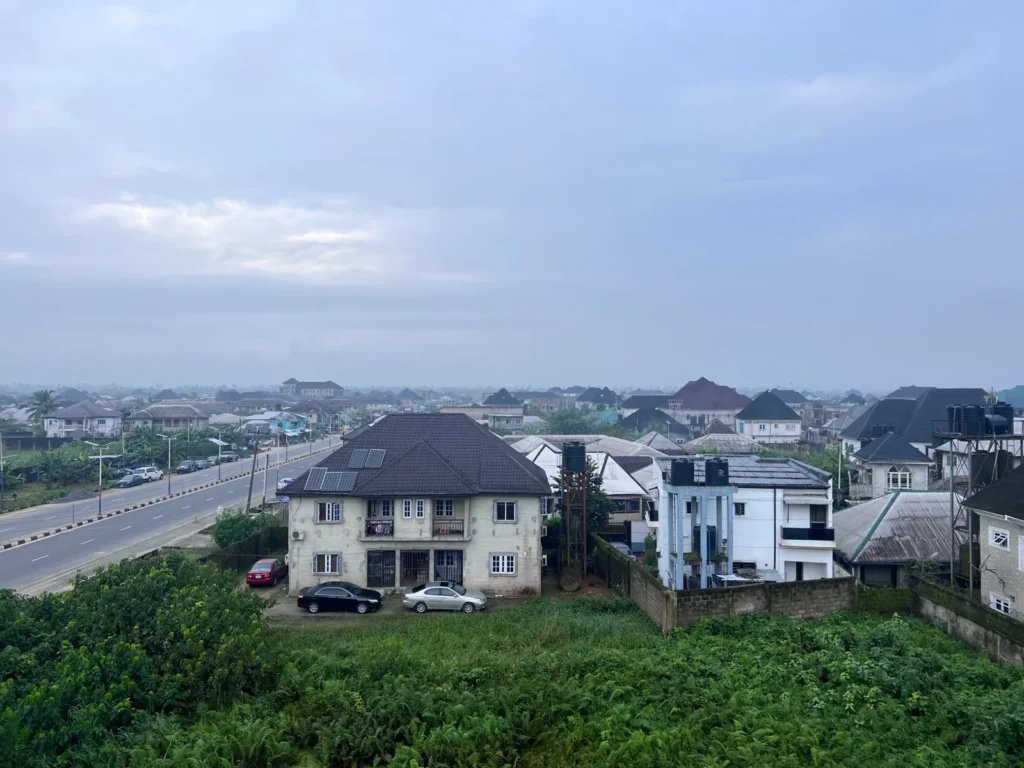
Traveling from Lagos to Bayelsa revealed an entirely different side of Nigeria. Although the journey may take approximately 10 to 12 hours by road under real traffic and road conditions, our flight lasted only about 45 minutes. In contrast to the dense streets and constant movement of Lagos, Bayelsa appeared lush and green, with rivers, creeks, and other bodies of water woven throughout the landscape.
The region’s close relationship with the water was also reflected in its food. Some of my most memorable meals were the flavorful local dishes, prepared with fish and seafood readily available throughout this riverine region and served with plantain, rice or yams. Bayelsa is located within the oil-rich Niger Delta, and oil-and-gas infrastructure was visible throughout our journey. We passed pipelines, processing and storage facilities, and other reminders of the petroleum industry’s significant presence in the region. The contrast was striking: an area surrounded by valuable natural resources and industrial activity still faced limitations in the funding, supplies, and specialized personnel available for healthcare.
Vascular Care in Bayelsa
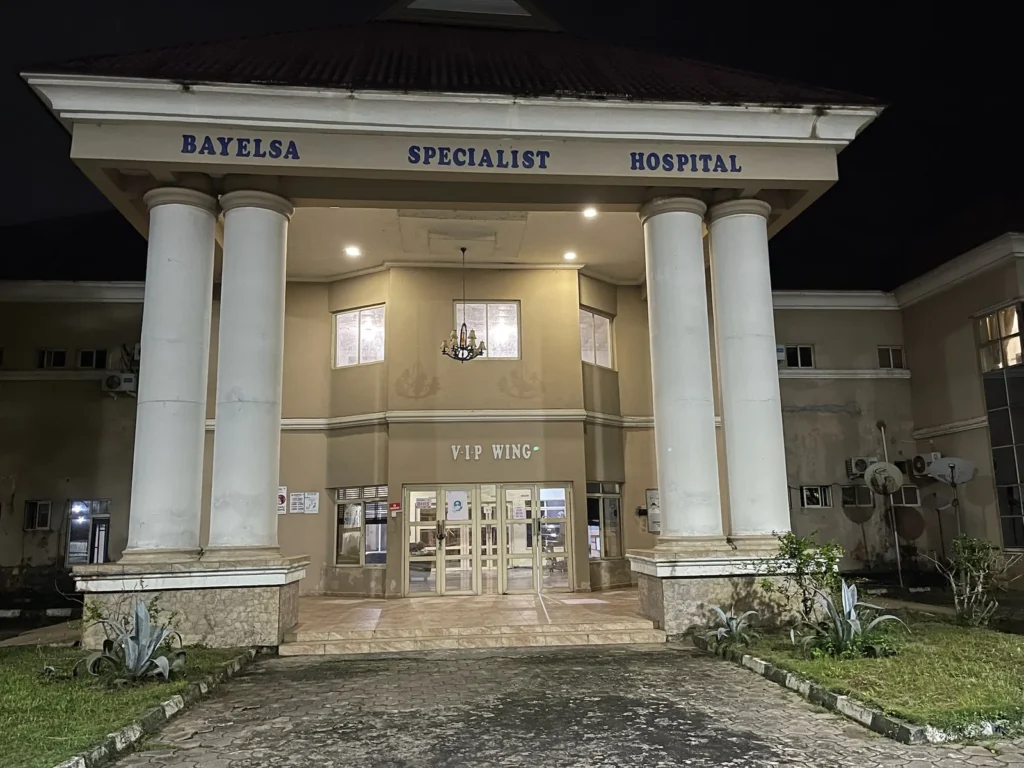
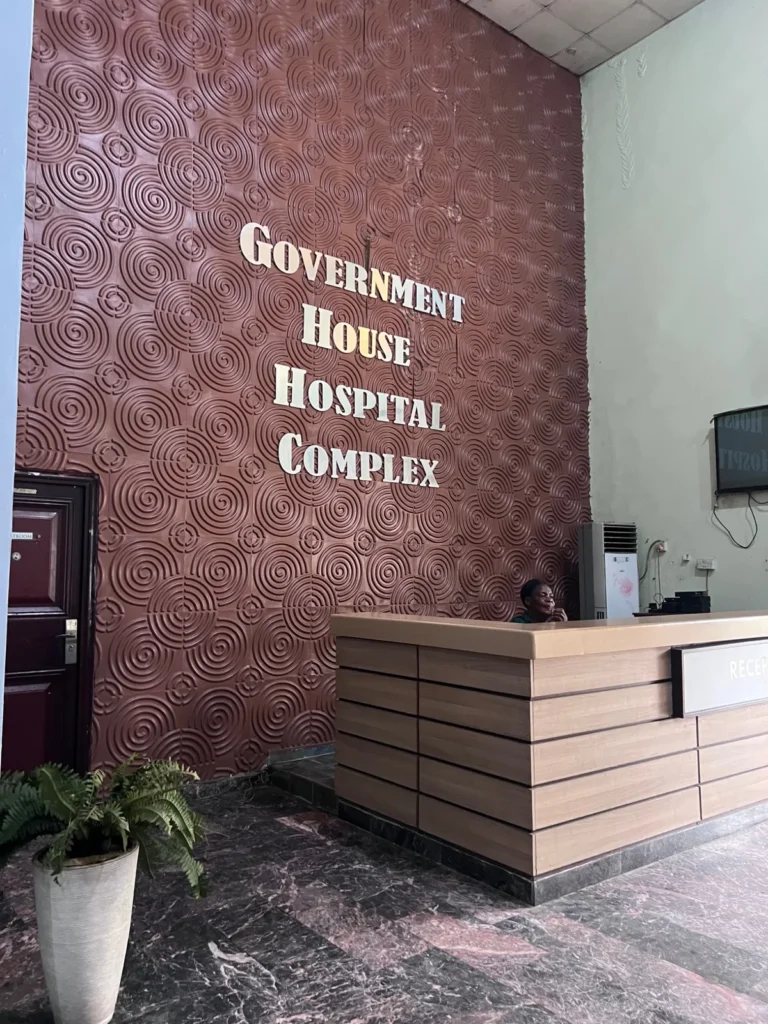
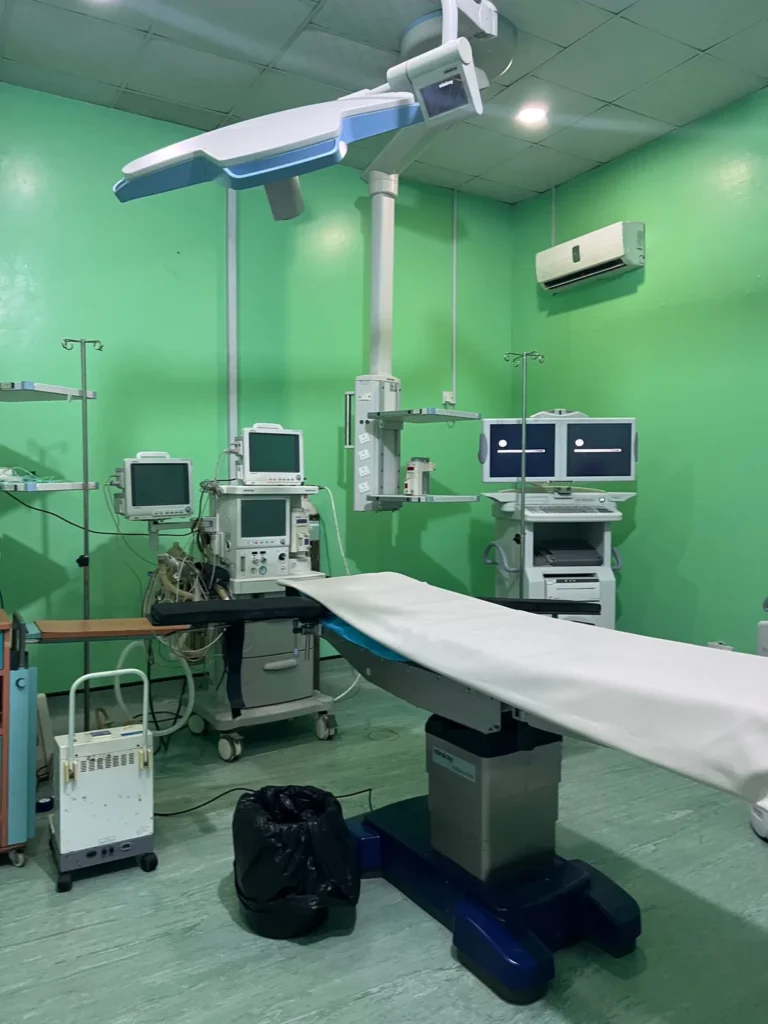
Against this backdrop, the hospitals supporting our work in Bayelsa stood out as places with genuine potential. Bayelsa Specialist Hospital and the Government House Hospital Complex reflected meaningful local investment in clinical care, and our operative work took place within the Government House Hospital Complex. The facility had fluoroscopic capability, several operating theatres, 60 hospital beds, and clinicians dedicated to expanding vascular care, making complex imaging-guided interventions possible. Yet the experience also showed me that a fluoroscopy machine is only one part of sustaining an endovascular program. Each procedure depends on a reliable supply of sheaths, wires, catheters, balloons, stents, contrast, medications, and sterile equipment. It also requires trained vascular specialists, nurses, technologists, anesthesia personnel, equipment maintenance, referral pathways, and longitudinal follow-up.
The limitations were financial as well as material. Hospitals need consistent funding to purchase consumable equipment, maintain complex technology, and train multidisciplinary teams. Patients may also need to pay for transportation, imaging, treatment, medications, and follow-up. Therefore, a procedure can be technically available but remain practically inaccessible. Vascular expertise exists in Nigeria, but it is limited and concentrated in relatively few centers. This helps explain why some patients drove for hours or traveled from other states for the possibility of receiving extremely specialized vascular treatment.
Procedures and the Meaning of Limb Salvage
The clinical heart of the trip was participating in the evaluation and treatment of patients with severe peripheral arterial disease. One particularly meaningful experience was assisting with a fluoroscopy-guided endovascular procedure in which balloon angioplasty was used to treat three iliac artery lesions involving both sides. Under fluoroscopic guidance, the diseased vessels were visualized and treated from within the arterial system to improve blood flow to the lower extremities. I also observed how open and minimally invasive vascular techniques could restore perfusion, encourage wound healing, and offer selected patients an alternative to amputation.
These procedures made the concept of limb salvage tangible. Restoring blood flow was not simply an angiographic result; it could determine whether a wound healed, whether a patient continued walking, and whether that person retained independence and the ability to work and to function. The distance patients traveled emphasized how rare and valuable these treatment opportunities were. Their willingness to undertake those journeys, often while living with pain or threatened tissue loss, made their trust in the surgical team especially humbling.
Kindness in Every Setting
What stayed with me most was not simply the clinical complexity or the difference in resources, but the kindness I encountered everywhere. Patients facing serious illness and uncertain outcomes greeted us with gratitude, patience, and optimism. Physicians, nurses, technologists, and hospital staff welcomed me as a colleague and continued finding ways to move care forward despite practical limitations. Their resourcefulness was matched by generosity, good humor, and a genuine willingness to teach and help.
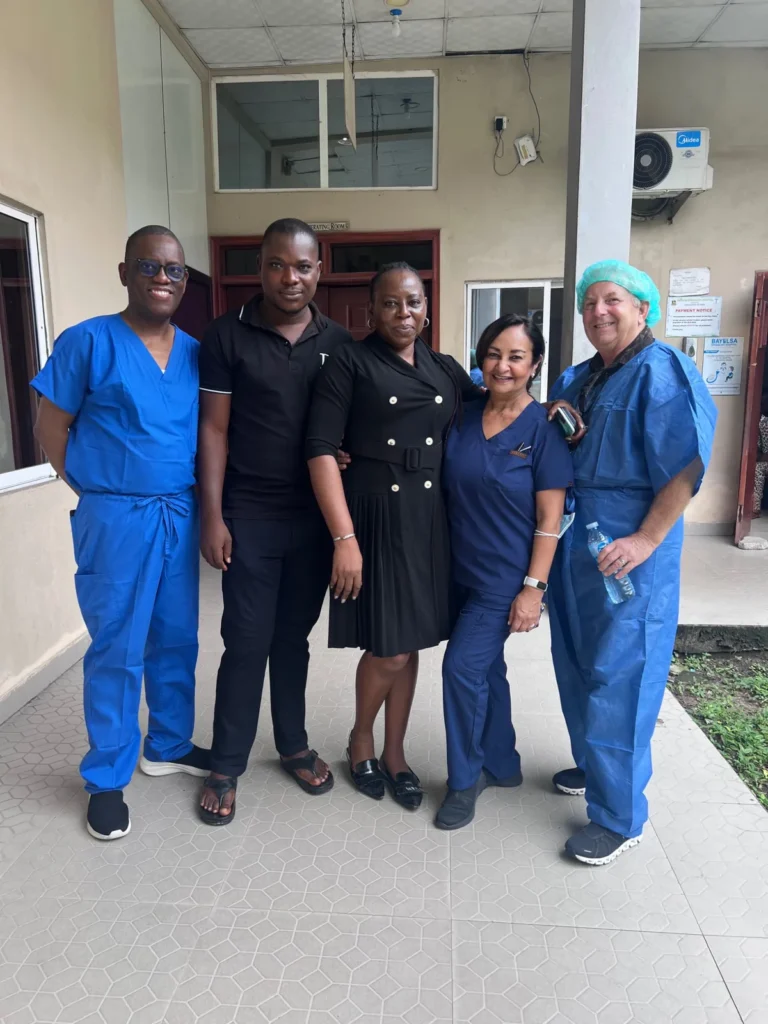
That kindness extended beyond the hospital. People were generous with their time, conversation, and hospitality in both Lagos and Bayelsa. Their positivity did not erase the difficulties they faced, but it shaped the atmosphere in which those challenges were met. Limited material resources should never be mistaken for a lack of knowledge, ingenuity, generosity, or hope.
Returning to Lagos
Returning to the Lagos clinic brought the experience full circle. The patients I evaluated there were now connected in my mind to a much larger system of distance, referral, affordability, supplies, and follow-up. A clinic encounter was not only a diagnostic or procedural decision; it was also a question of whether the patient could reach the appropriate center, obtain the needed imaging and materials, and return for continued care. Bayelsa changed the way I understood the work occurring in Lagos and deepened my appreciation for efforts to build sustainable vascular services across locations.
Experiencing Nigeria Beyond the Hospital
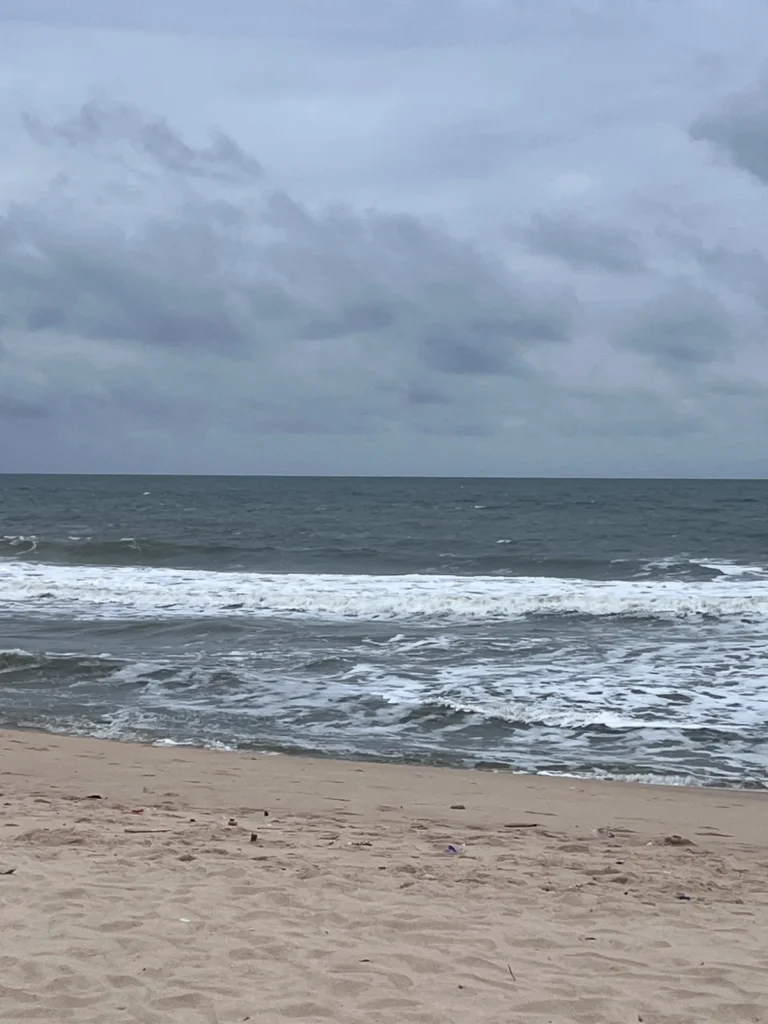
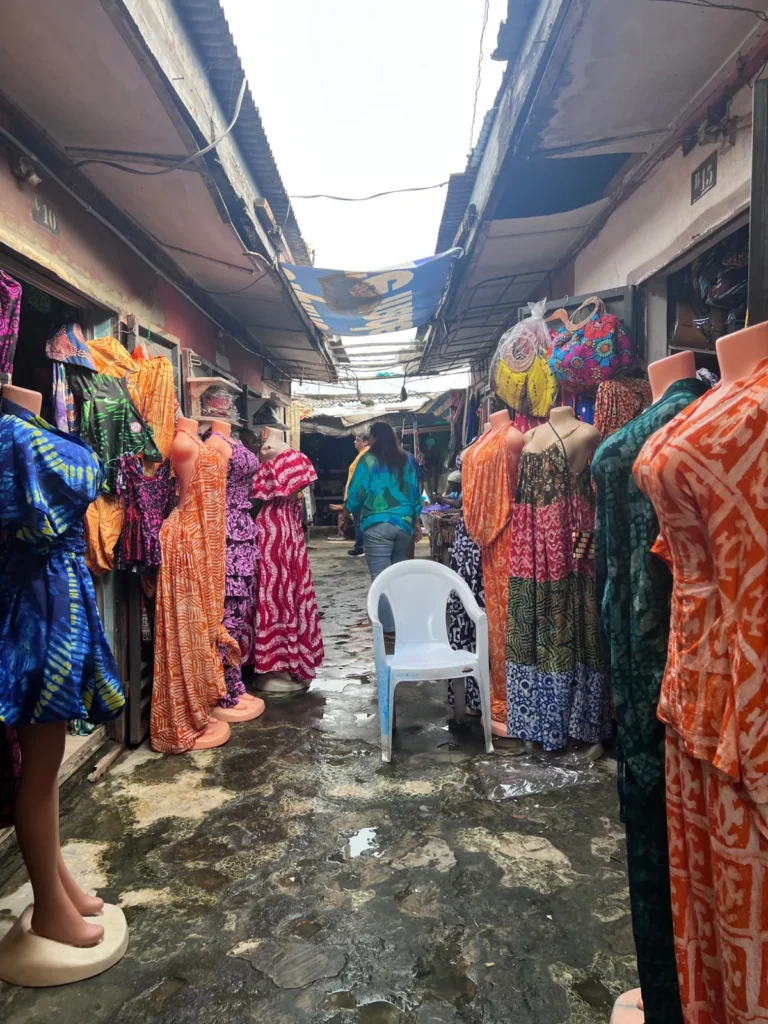
Experiencing Nigeria outside the clinical setting was equally important. Time on Victoria Island, at the Atlantic beach, and at Lekki Market allowed me to see more of Lagos than its hospitals and traffic. The beach offered a peaceful contrast to the intensity of the clinical days. At Lekki Market, rain left the narrow walkways wet and reflective, but the market remained filled with art, craftsmanship, vivid textiles, conversation, and commerce. The food was another memorable part of the experience: I enjoyed flavorful local Nigerian dishes—especially the fresh fish in Bayelsa and the delicious jollof rice—while also discovering excellent Thai, Syrian and Indian restaurants that reflected the remarkable cultural variety of Lagos. These experiences allowed me to appreciate Nigeria not simply as the location of a medical mission, but as a vibrant country whose people were eager to share their culture and community.
Reflection

I traveled to Nigeria expecting to deepen my understanding of vascular surgery within a different healthcare system. Through evaluating patients with peripheral arterial disease, reviewing vascular imaging, and participating in vascular and imaging-guided procedures, I saw how specialized care could alter the course of a patient’s life. At the same time, I learned that possessing the technical ability or imaging equipment to perform a procedure is only one part of providing sustainable vascular care. Treatment also requires trained multidisciplinary teams, dependable supplies, institutional support, and patients who can afford to travel for evaluation, intervention, and follow-up.
What will remain with me most, however, is the kindness I encountered throughout the experience. Patients facing serious illness greeted us with gratitude and optimism. Hospital staff welcomed me and found ways to deliver meaningful care despite practical limitations. Outside the hospital, people were equally generous with their time, conversation, humor and hospitality. From Lagos to Bayelsa, their warmth shaped every part of my experience.
I remain grateful to Dr. Oye and to Avalon University School of Medicine for the privilege of participating in an international experience that broadened both my surgical education and my understanding of service, collaboration, and compassionate care.
I returned from Nigeria with greater knowledge of endovascular and open vascular care, but also with a deeper appreciation for the humanity surrounding medicine. The experience demonstrated how mentorship, determination, service, and sustainable collaboration can extend the impact of medicine beyond individual procedures. Although saving a limb is a remarkable technical achievement, preserving a patient’s mobility, independence, livelihood, and dignity is what gives that work its true meaning.
Selected Sources
- Bayelsa State Government – geography and riverine landscape
- Oye Global Medical Foundation – endovascular and vascular program development
- PubMed – Vascular surgeries in West Africa: challenges and prospects
- Nigerian Journal of Surgery – early peripheral angioplasty experience
- WHO African Region Health Expenditure Atlas 2023
- PubMed – Tissue necrosis associated with pentazocine misuse in Nigeria: A review
About Dr. Herbert Oye
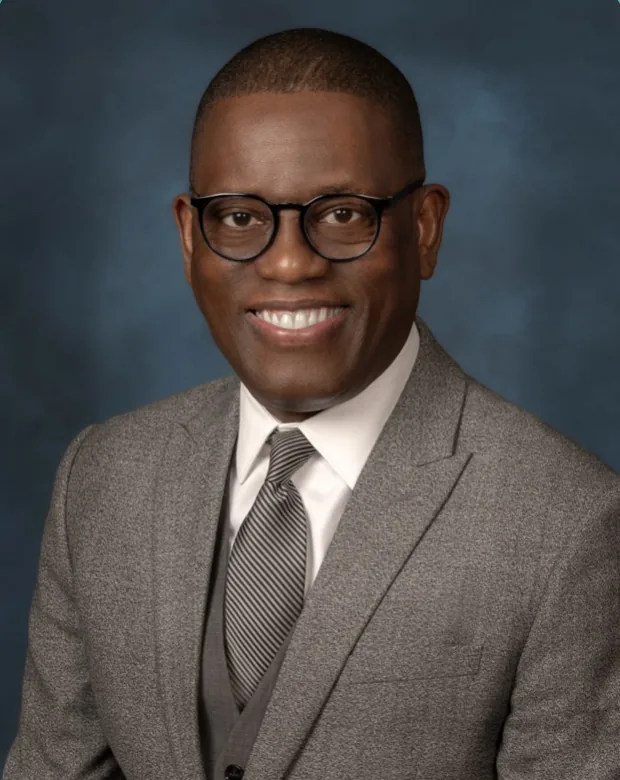
Dr. Herbert Emmanuel Oye, DO, FACOS, RPVI, is an endovascular and vascular surgeon who currently practices at Raleigh General Hospital in Beckley, West Virginia. His career combines clinical practice, medical education, and global health service. Born and educated in Nigeria before moving to the United States, he earned a bachelor’s degree in pharmacy from Texas Southern University and his medical degree from the University of North Texas Health Science Center. He completed his general surgery residency at Wyckoff Heights Medical Center in Brooklyn and fellowship training in advanced vascular and endovascular surgery at the Arizona Heart Institute.
Dr. Oye has practiced since 1997 and has helped develop endovascular programs in both the United States and Nigeria. He founded the West Virginia Vascular Institute and serves as president and CEO of the Oye Global Medical Foundation, whose work focuses on expanding access to vascular, endovascular, wound, and limb-salvage care in underserved communities. He also serves as a clinical preceptor for Avalon University School of Medicine, providing students with hands-on exposure to vascular and endovascular surgery while emphasizing clinical judgment, technical skill, compassionate patient care, and service to communities with limited access to specialized treatment.
In recognition of his sustained volunteer service and efforts to expand healthcare access, Dr. Oye received the American College of Osteopathic Surgeons’ 2024 Humanitarian Award.
Full Circle: Dr. Michael Valderrama Returns to Beckley to Train Avalon Students
Dr. Michael Valderrama completed his clinical rotations in Beckley, West Virginia, as an Avalon student. Now he is back at Raleigh General Hospital as…
Navigating Clinical Rotations from the Caribbean
The unique blend of academic preparation in the Caribbean and hands-on clinical experience in diverse settings provides a comprehensive and well-rounded education.
How Caribbean Medical Schools Prepare You for Global Health Challenges
Caribbean Med Schools | International medical education can be defined as - the pursuit of medical training beyond national borders.
Your path to an MD
Ready to start medical school?
Rolling admissions with three start dates a year. Explore our accredited programs or start your application today.