Accelerated Medical Program
5 Semesters of Preclinical Sciences & 6 Semesters of Clinical Sciences
Complete your preclinical sciences in Curaçao, prepare for the USMLE Step 1 through a dedicated board-preparation semester, and gain hands-on clinical experience through 72 weeks of clinical rotations at ACGME-approved teaching hospitals in the United States.
Curaçao → USA
MD5A dedicated USMLE Step 1 board-prep semester
Program Roadmap
At Avalon University, your medical education begins with five semesters of preclinical sciences, building the foundation for your medical career. Your final preclinical semester, MD5, focuses on board preparation for the USMLE Step 1. After successfully passing Step 1, you advance to clinical rotations in the United States.
The preclinical program runs year-round, with three semesters offered each year. After completing your preclinical studies, you'll prepare for and take the USMLE Step 1 before moving on to clinical rotations. The timing of your exam and transition to clinical training may vary by student.
Admissions
Here is what you need to be eligible for the program.
A bachelor’s degree, or a minimum of 90 credit hours completed at the premedical/undergraduate level, with the mandatory prerequisites completed.
The MCAT is not required. If you have taken it, a strong score can qualify you for an MCAT scholarship of up to $50,000.
Preclinical Sciences · Curaçao
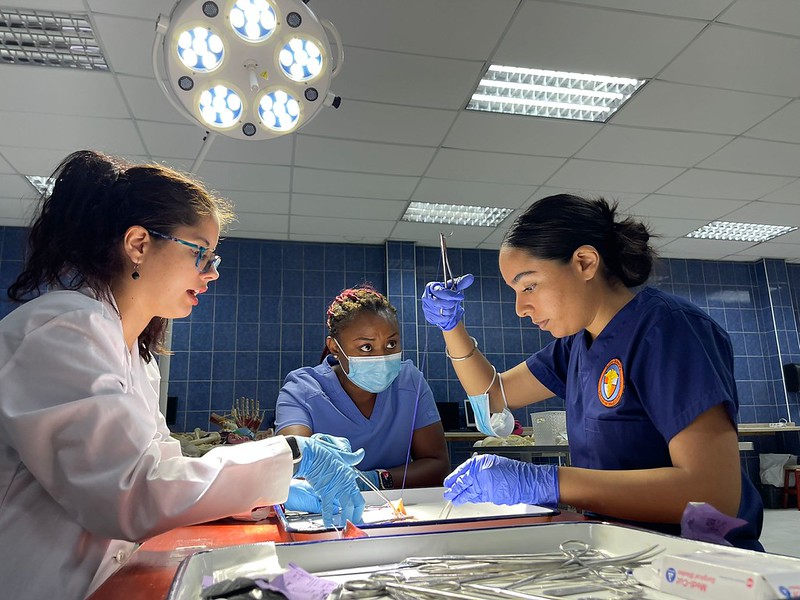
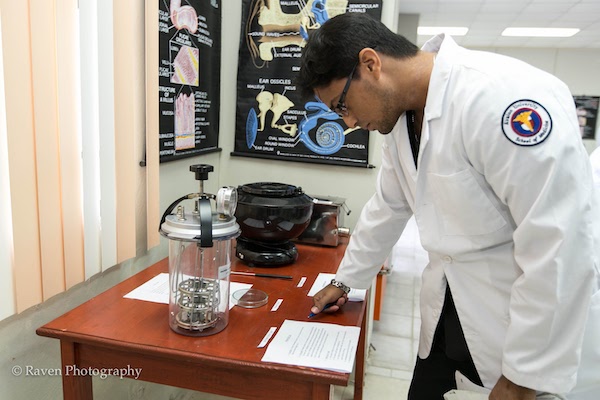
Your first 20 months are spent on our campus in Curaçao, where you'll complete integrated, organ-system preclinical science courses. Clinical skills, problem-based learning, and research are incorporated from the first semester. You may also take an optional Basic Surgical Skills elective during any preclinical semester.
Your fifth semester (MD5) is dedicated to USMLE Step 1 preparation, helping you build a strong foundation before transitioning into clinical training.
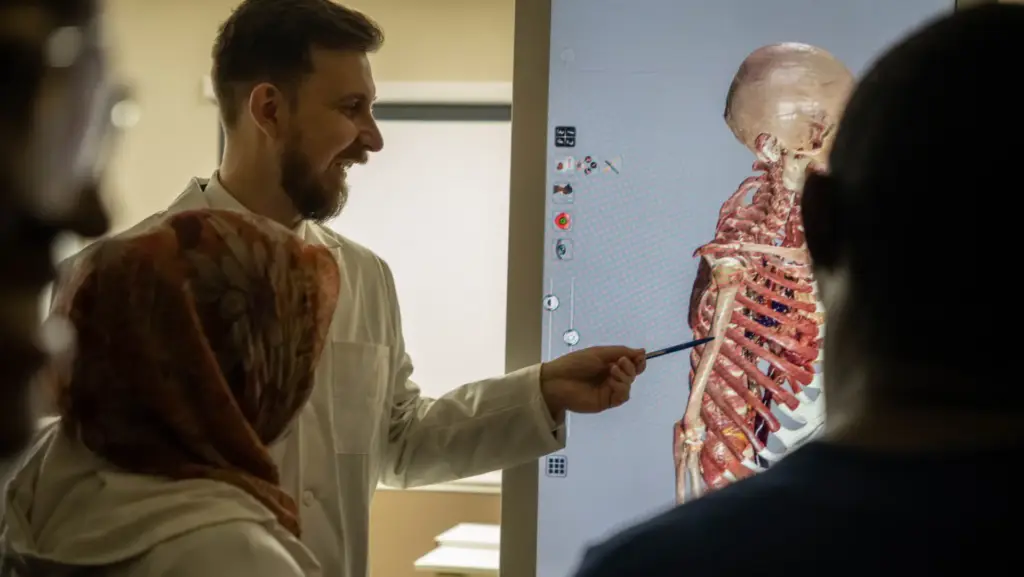
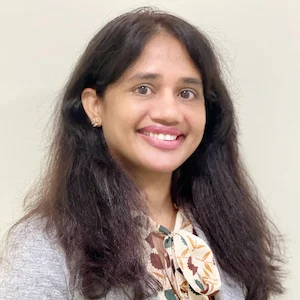
As the Dean of Preclinical Sciences, it is my great pleasure and privilege to welcome you to Avalon University School of Medicine. Our philosophy is to prepare our graduates to become well-rounded physicians dedicated to serving communities with great compassion and care for others.
MD1 – MD5
Choose a semester to see its courses, contact hours and credits. Select any course to read its description.
Semester 1
Human structure and function, the molecular basis of medicine, medical ethics, clinical skills and biostatistics.
HSF001Lecture / small group hrs6Lab hrs8Credits10This course integrates the themes of Gross and Developmental Anatomy, Histology, and Physiology. HSF1 addresses the Upper Limb, Lower Limb, Musculoskeletal system, GI, Renal, and Endocrine systems, including female and male reproductive systems. HSF2 addresses the Blood, Cardiovascular, Respiratory systems, and Head & Neck.
Recommended textbooks
MBM001Lecture / small group hrs4Lab hrs1Credits4.5This course comprises themes of Biochemistry, Genetics and Molecular Biology. It is an integrated course focusing on the molecular structure of cells that are important for cellular function, and gives medical students the necessary foundation to understand genetic disorders, cellular and metabolic disorders, and autoimmune and endocrine disorders. Students learn how carbohydrates, fats, proteins, vitamins, minerals, trace elements and water are absorbed and metabolized in the human body, as well as the role of genes in inheritance, pathogenesis, diagnosis, counseling and treatment. The principles of genetics and mechanisms of genetic disorders help students apply these concepts in clinical settings and research.
Recommended textbooks
CS0001Lecture / small group hrs4Lab hrsIncl. in lectureCredits4Medical Ethics and the first segment of Clinical Skills come together as one course presenting a unique array of general history taking and the ethical dilemmas that the student and future physician may come across. Students develop oral, written, and basic examination skills. All Clinical Skills courses involve live demonstration and supervised practice on fellow students and standardized patient encounters. This course is followed by a standardized patient-based assessment.
Recommended textbooks
EPI001Lecture / small group hrs3Lab hrsnot applicableCredits3The course introduces students to the fundamental concepts of Epidemiology & Biostatistics. Using the principles of disease distribution, students realize the importance of epidemiological research to clinical practice. Students become familiar with current epidemiological issues and learn the appropriate study design depending on the research question and hypotheses. Fundamental aspects of Biostatistics are emphasized through data collection, estimation, hypothesis generation, testing, and statistical tests.
Recommended textbooks
PBL001Lecture / small group hrs2Lab hrsnot applicableCredits1Avalon University School of Medicine has successfully introduced vertical integration of clinical sciences into the basic sciences in the form of problem-based learning from MD1 to MD4. This course helps students develop critical skills required by practicing physicians, such as problem-solving, self-directed learning, effective teamwork, collaboration, and intrinsic motivation. PBL with video-based clinical vignettes also prepares students to face daily challenges during their clinical rotations.
Semester 2
Blood, cardiovascular, respiratory and head & neck systems, the mind and brain, and your first steps in clinical research.
HSF002Lecture / small group hrs6Lab hrs6Credits9This course integrates the themes of Gross and Developmental Anatomy, Histology, and Physiology. HSF1 addresses the Upper Limb, Lower Limb, Musculoskeletal system, GI, Renal, and Endocrine systems, including female and male reproductive systems. HSF2 addresses the Blood, Cardiovascular, Respiratory systems, and Head & Neck.
Recommended textbooks
MBM002Lecture / small group hrs4Lab hrs1Credits4.5This course comprises themes of Biochemistry, Genetics and Molecular Biology. It is an integrated course focusing on the molecular structure of cells that are important for cellular function, and gives medical students the necessary foundation to understand genetic disorders, cellular and metabolic disorders, and autoimmune and endocrine disorders. Students learn how carbohydrates, fats, proteins, vitamins, minerals, trace elements and water are absorbed and metabolized in the human body, as well as the role of genes in inheritance, pathogenesis, diagnosis, counseling and treatment. The principles of genetics and mechanisms of genetic disorders help students apply these concepts in clinical settings and research.
Recommended textbooks
MBB001Lecture / small group hrs4Lab hrs1Credits4.5Mind, Brain & Behavior integrates behavioral sciences and neuroscience. Teaching formats include lectures, interactive small group discussions, and lab sessions. In the first semester, students learn normal psychological behavior along with the fundamentals of the nervous system. In the second semester, the course dives deeper into abnormal behavioral topics such as somatoform, personality and mood disorders, and psychotic disorders. The course makes the structure, function, development, and pathology of the nervous system clear in relation to human behavior and mental life, and the integration of neuroscience makes the second course more clinically relevant.
Recommended textbooks
CS0002Lecture / small group hrs4Lab hrsIncl. in lectureCredits4Clinical Skills II continues the development of history taking skills and introduces the physical examination in an organ system approach. Themes emphasized are physical examination and patient interviewing skills. The systems covered are the central nervous system, cardiovascular, and respiratory systems. Students master obtaining patient histories as they begin practice-focused physical examination. This course is followed by a standardized patient-based assessment.
Recommended textbooks
PBL002Lecture / small group hrs2Lab hrsnot applicableCredits1Avalon University School of Medicine has successfully introduced vertical integration of clinical sciences into the basic sciences in the form of problem-based learning from MD1 to MD4. This course helps students develop critical skills required by practicing physicians, such as problem-solving, self-directed learning, effective teamwork, collaboration, and intrinsic motivation. PBL with video-based clinical vignettes also prepares students to face daily challenges during their clinical rotations.
EBM001Lecture / small group hrs1Lab hrsnot applicableCredits1Evidence-Based Medicine & Introduction to Clinical Research integrates research evidence, clinical expertise, and patient values. The course introduces the basic principles and tools used in research, including methods and descriptive and inferential statistics; strengthens skills in data analysis and the interpretation of medical literature; and shows the value of sound research in clinical decision-making. Students learn to read and evaluate the quality of medical literature using standardized rubrics, and apply this learning in subsequent research projects.
Semester 3
Pathology, immunology, microbiology and pharmacology come together, alongside abnormal behavior and neuroscience.
DIT001Lecture / small group hrs12Lab hrs2Credits13This course integrates pathology, immunology, microbiology, and pharmacology. Students first focus on immunology and microbiology and draw on their physiology background as they integrate the pathological findings seen in different body systems with the pharmacological treatments for those pathologies, building a holistic understanding of disease, immunity, and therapeutics. DIT 1 addresses general principles and systems including hematopathology and the cardiovascular system. DIT 2 addresses renal, reproductive, respiratory, gastrointestinal, endocrine, skin, bone & soft tissue, breast, musculoskeletal, and central nervous system pathology. The pathology lab helps students identify abnormal morphological and histological changes compared with normal histology. Teaching formats include lectures, interactive small group discussions, and labs.
Recommended textbooks
MBB002Lecture / small group hrs4Lab hrs1Credits4.5Mind, Brain & Behavior integrates behavioral sciences and neuroscience. Teaching formats include lectures, interactive small group discussions, and lab sessions. In the first semester, students learn normal psychological behavior along with the fundamentals of the nervous system. In the second semester, the course dives deeper into abnormal behavioral topics such as somatoform, personality and mood disorders, and psychotic disorders. The course makes the structure, function, development, and pathology of the nervous system clear in relation to human behavior and mental life, and the integration of neuroscience makes the second course more clinically relevant.
Recommended textbooks
CS0003Lecture / small group hrs4Lab hrsIncl. in lectureCredits4Clinical Skills III continues the development of history taking skills and the physical examination in an organ system approach. The systems covered are the endocrine, renal, and gastrointestinal systems, with a review of the cardiovascular system. Students master obtaining patient histories as they advance their practice-focused physical examination. This course is followed by a standardized patient-based assessment.
Recommended textbooks
PBL003Lecture / small group hrs2Lab hrsnot applicableCredits1Avalon University School of Medicine has successfully introduced vertical integration of clinical sciences into the basic sciences in the form of problem-based learning from MD1 to MD4. This course helps students develop critical skills required by practicing physicians, such as problem-solving, self-directed learning, effective teamwork, collaboration, and intrinsic motivation. PBL with video-based clinical vignettes also prepares students to face daily challenges during their clinical rotations.
EBM002Lecture / small group hrs1Lab hrsnot applicableCredits1Evidence-Based Medicine & Introduction to Clinical Research integrates research evidence, clinical expertise, and patient values. The course introduces the basic principles and tools used in research, including methods and descriptive and inferential statistics; strengthens skills in data analysis and the interpretation of medical literature; and shows the value of sound research in clinical decision-making. Students learn to read and evaluate the quality of medical literature using standardized rubrics, and apply this learning in subsequent research projects.
Semester 4
Systems pathology and therapeutics, advanced physical examination skills and evidence-based medicine.
DIT002Lecture / small group hrs14Lab hrs2Credits15This course integrates pathology, immunology, microbiology, and pharmacology. Students first focus on immunology and microbiology and draw on their physiology background as they integrate the pathological findings seen in different body systems with the pharmacological treatments for those pathologies, building a holistic understanding of disease, immunity, and therapeutics. DIT 1 addresses general principles and systems including hematopathology and the cardiovascular system. DIT 2 addresses renal, reproductive, respiratory, gastrointestinal, endocrine, skin, bone & soft tissue, breast, musculoskeletal, and central nervous system pathology. The pathology lab helps students identify abnormal morphological and histological changes compared with normal histology. Teaching formats include lectures, interactive small group discussions, and labs.
Recommended textbooks
EBM003Lecture / small group hrs2Lab hrsnot applicableCredits2Evidence-Based Medicine & Introduction to Clinical Research integrates research evidence, clinical expertise, and patient values. The course introduces the basic principles and tools used in research, including methods and descriptive and inferential statistics; strengthens skills in data analysis and the interpretation of medical literature; and shows the value of sound research in clinical decision-making. Students learn to read and evaluate the quality of medical literature using standardized rubrics, and apply this learning in subsequent research projects.
CS0004Lecture / small group hrs4Lab hrsIncl. in lectureCredits4Clinical Skills IV focuses on the male and female genitalia, breast and skin examinations, with a review of the central nervous, respiratory, and gastrointestinal systems. The overarching goal is to enhance the student’s ability to evaluate and present their findings, developing communication skills and demonstrating the basic science understanding behind their differential diagnosis and management plans. This course is followed by a standardized patient-based assessment.
Recommended textbooks
PBL004Lecture / small group hrs2Lab hrsnot applicableCredits1Avalon University School of Medicine has successfully introduced vertical integration of clinical sciences into the basic sciences in the form of problem-based learning from MD1 to MD4. This course helps students develop critical skills required by practicing physicians, such as problem-solving, self-directed learning, effective teamwork, collaboration, and intrinsic motivation. PBL with video-based clinical vignettes also prepares students to face daily challenges during their clinical rotations.
Semester 5
The Fifth Semester is the final semester of the preclinical sciences, and is the “bridge” semester between the preclinical and clinical sciences. It offers the Comprehensive Preclinical Science Review, which consists of board preparatory material.
During the Fifth Semester, students will solely study for their first medical licensing exam, the United States Medical Licensing Exam (USMLE) Step 1. Once a student passes the USMLE Step 1, they will be eligible to begin clinical rotations.
Live lectures, test-taking strategies, and question bank access to prepare you for the USMLE Step 1.
GIRLecture / small group hrsnot applicableLab hrsnot applicableCredits2Lectures give students a general overview of the residency application process and the requirements for a residency position.
Develop essential surgical skills through hands-on training using modern surgical simulators and biological materials. Learn surgical knot tying, incisions and suturing techniques, wound management, and the fundamentals of laparoscopic surgery. This elective can be taken during any preclinical semester and provides valuable early exposure to skills that will benefit you during clinical rotations and your future surgical training.
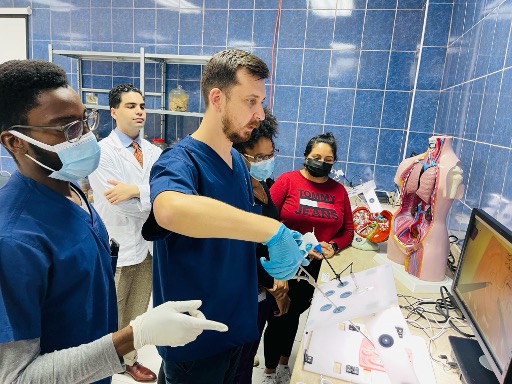
Each course listed above includes its recommended textbooks. Clinical Skills and the Anatomy Lab also require specific instruments and supplies, which we recommend reviewing and preparing before your first semester.
Bring these supplies and instruments to every Clinical Skills class. The PD kit is mandatory from MD1.
What to bring to the Human Structure & Function lab.
The bridge to the wards
Before beginning clinical rotations, every student completes a 6-week Introduction to Clinical Medicine (ICM) course at their assigned rotation site. Taught by an Avalon preceptor, this course helps you develop the essential clinical skills and knowledge needed to prepare for your hands-on training.
Clinical Sciences · CM1 – CM6
Avalon University's clinical sciences program gives you the opportunity to apply the knowledge gained during your preclinical studies in a hospital setting under the supervision of experienced faculty physicians. Through hands-on training and direct patient interaction, you'll continue to build your medical knowledge and strengthen your clinical skills.
Your clinical rotations are an important part of your medical education, and we encourage every student to demonstrate professionalism, maturity, compassion, and responsibility throughout their training.
ACGME-approved teaching hospital affiliations in
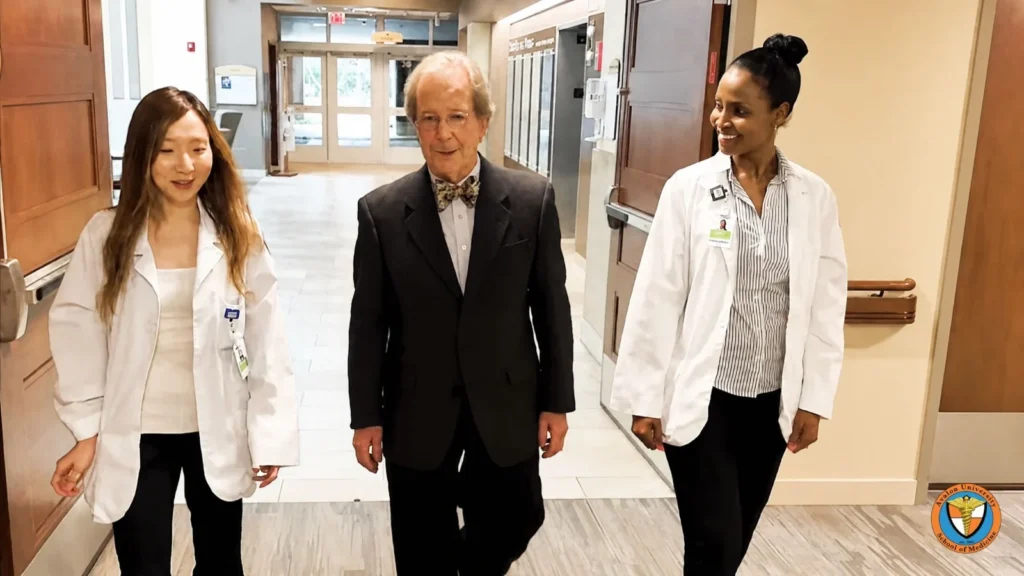
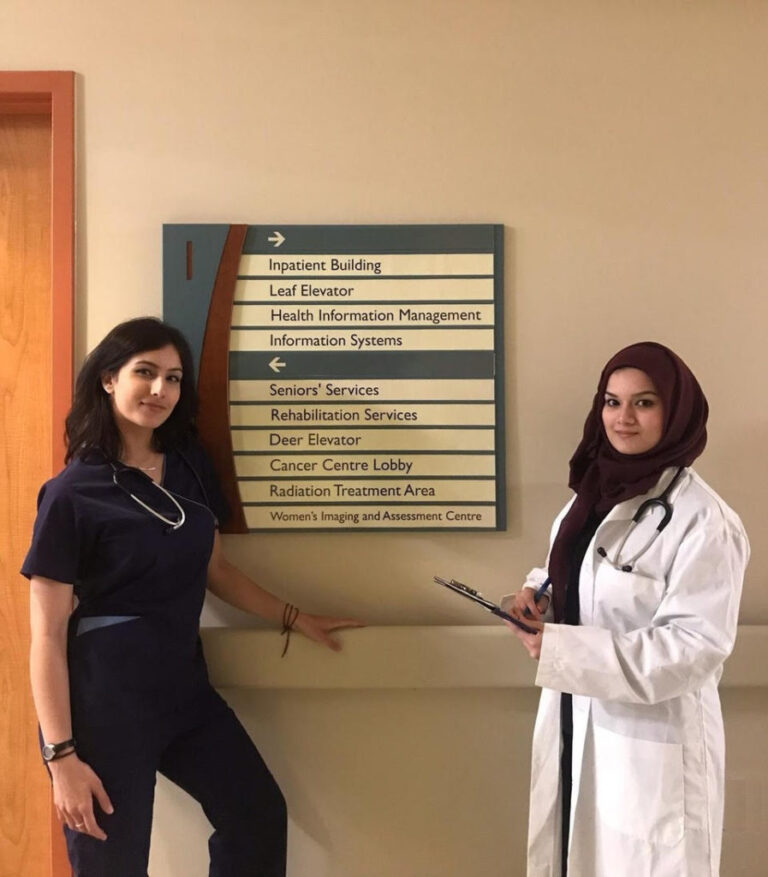

The most exciting phase of training to be a physician is the integration of Basic Science knowledge into clinical practice. We are preparing graduates who possess personal qualities, professional skills and ethical standards that improve patient outcomes. Always keep the patients’ interest above your own and satisfy the needs of the community with increasingly diverse populations.
Third Year
Third-year medical students are required to complete core clerkships in the following areas.
The internal medicine rotation gives medical students increased responsibility in patient care within the hospital wards and inpatient clinics. Students use this rotation to become competent in the assessment and basic management of common problems in internal medicine, learning the work-up, diagnosis and treatment of patients with common internal medicine diseases. The emphasis is on the internist’s method and approach to the care of the patient.
The surgery core rotation provides experience in preoperative, operative, and post-operative care for patients in all areas of general surgery. Days can be long: students take part in hands-on training with surgery cases, join morning and afternoon rounds, write patient chart notes and gain hands-on training in the operating room (OR). Before each surgery day, students read up on the next morning’s cases and procedures. The surgery rotation is a team-oriented clinical experience, and the medical student is expected to participate actively.
The pediatric rotation gives students experience in providing healthcare to children, with emphasis on growth and development, wellness, and prevention. Students participate in the diagnosis and management of common illnesses of infants, children, and adolescents, including community-acquired infections. The overall goal is to introduce students to the clinical practice of pediatrics and further develop critical thinking through clinical practice using data and differential diagnosis.
The family medicine rotation emphasizes patient care in an outpatient setting and gives students broad exposure to the primary care environment. In most clinics, students spend much of their time seeing patients individually, obtaining focused histories and physicals, and performing routine examinations. It is the best time to develop and refine patient rapport, interviewing, and communication skills, and to build an awareness of community health and epidemiology as practically applied in an ambulatory setting.
The psychiatry rotation exposes students to patients with mental illness and prepares them to provide psychiatric care. Students conduct evaluations and meet individually with patients, gaining clinical exposure to the assessment and management of patients with psychiatric disorders.
The obstetrics and gynecology rotation gives students the opportunity to master the knowledge of reproductive physiology, anatomy, management of pregnancy and the common gynecologic problems that affect women. Students see patients in both outpatient and inpatient settings, participate in the care of laboring patients and attend deliveries and gynecologic surgeries to gain a better understanding of women’s health care.
Some rotation sites may be subject to an additional surcharge due to site-specific direct expenses.
Fourth Year
Fourth-year medical students complete 24 weeks of electives of their choice. Electives give you experience in the specialties or care settings you’re considering for residency.
Avalon offers a wide variety of elective rotations, so you can gain experience in different specialties. Some available electives include:
New Affiliations
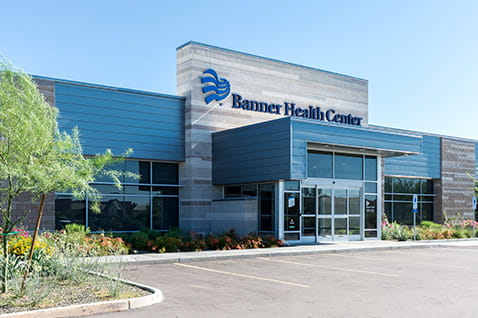
Avalon University School of Medicine is proud to announce its strategic expansion of clinical rotation opportunities through new affiliations with PrimeHealth in California and Banner Health in Arizona.
 New
California
 New
Arizona
Five semesters in Curaçao, 72 weeks at U.S. teaching hospitals, and a faculty committed to your success. Take the first step toward becoming a physician at Avalon University School of Medicine.
Choose which cookies we may use. You can change your choice at any time with the “Cookie settings” link at the bottom of every page.
Strictly necessary
Always onNeeded for the website to work, for example to remember your cookie choice and to keep staff signed in. These cannot be switched off.
Google Analytics shows us which pages visitors find useful, so we can improve the website. Cookies: _ga, _ga_*.
Google Ads measures which of our ads bring visitors to the website and can show you Avalon ads on other sites. Cookies: _gcl_au and Google advertising cookies.