Life in Curaçao

About Curaçao

A sunny, modern island in the southern Caribbean, 37 miles north of Venezuela, and home to Avalon University's campus in Willemstad. Here is what life on the island is like.
150,000
people live on the island
85°F
average temperature
30+
beaches
150+
years without a hurricane
Curaçao
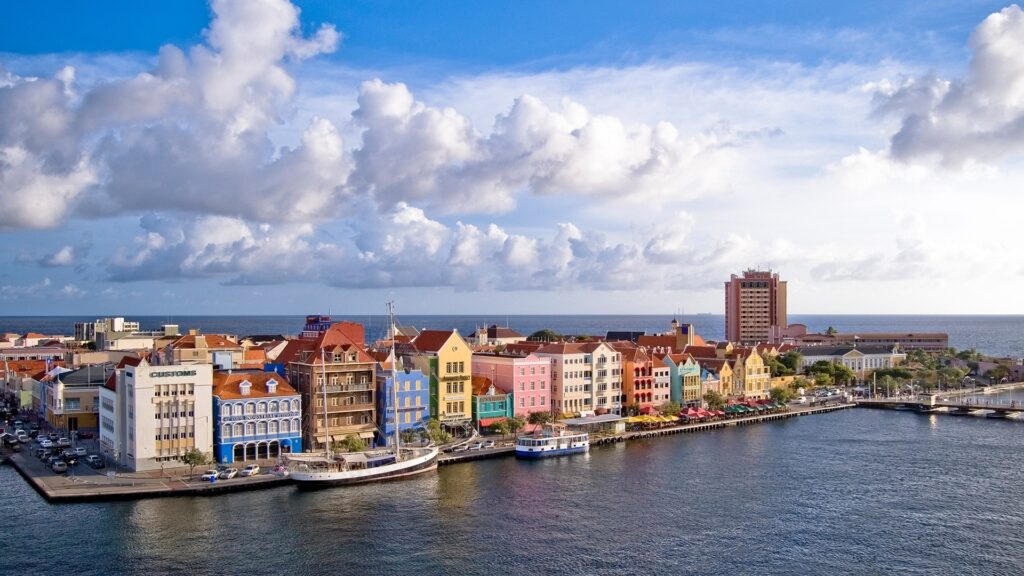
WillemstadHome of the Avalon University campus

The island

Small island, big mix of cultures

Curaçao is a tropical island in the southern Caribbean Sea, 37 miles north of Venezuela. With about 150,000 people, it is the largest and most populous of the ABC islands (Aruba, Bonaire and Curaçao). Its place in the Kingdom of the Netherlands and its closeness to South America make it one of the most diverse and culturally rich islands in the Caribbean.
  • Dutch, English, Spanish and Papiamento, the local language, which blends Portuguese, Dutch and Spanish
  • One of the highest standards of living in the Caribbean
  • Infrastructure that ranks among the best in the region
  • Strong business ties to the United States, South America and the Netherlands
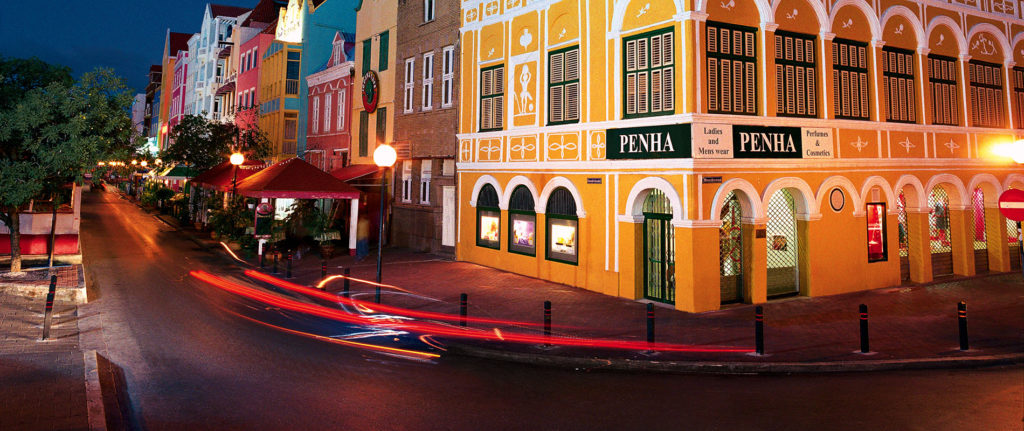
Willemstad, Curaçao
Kingdom of the NetherlandsAn autonomous country within the Kingdom

Places to exploreSelect a photo to see it larger

Climate

Sunshine and trade winds, all year

Curaçao sits in the tropics, so it is hot and sunny year-round, and a steady breeze from the east keeps it comfortable.

  • An average temperature of about 85°F (29°C), all year round
  • Trade winds blow constantly from the east, a welcome cooling effect
  • A hurricane-free zone: no hurricane has hit the island in more than 150 years
  • More than 30 beaches and some of the best scuba diving in the world

Pack light: summer clothes, sunscreen and a swimsuit work in every month of the year.
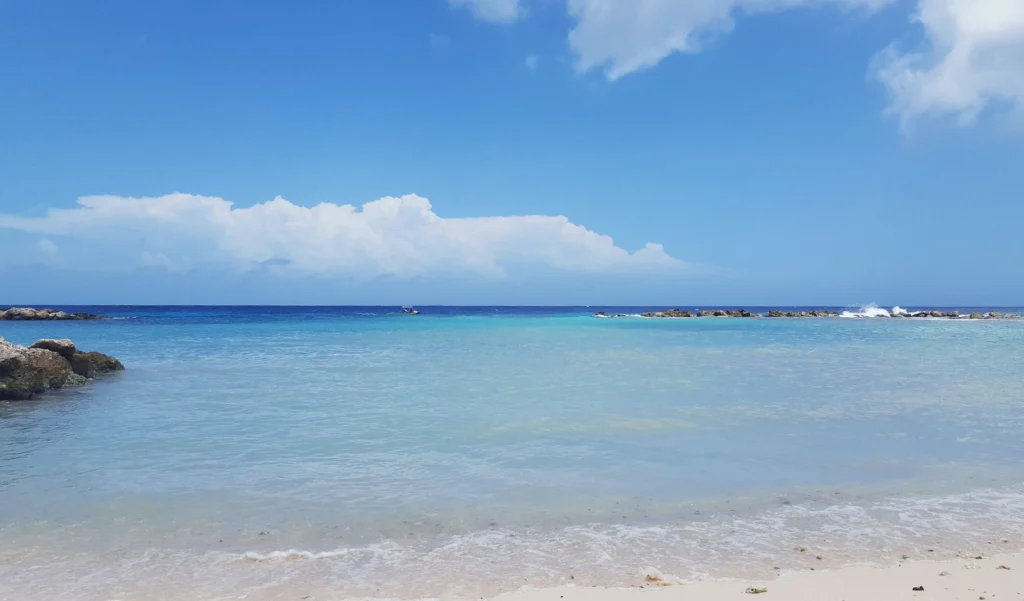
parasasa-Avalon - beach-curacao
85°F (29°C)Average temperature

Food

Something for every taste

Curaçao's food reflects its mix of cultures, from local dishes to the restaurant chains you know from home.

  • Local Kriyoyo cooking

    Curaçao's own cuisine, known locally as Kriyoyo, served across the island.

  • Seafood

    A wide variety of fresh fish and seafood dishes.

  • Dutch, Indian & Chinese

    Dutch cuisine, plus Indian and Chinese restaurants throughout the island, thanks to its large Indian and Chinese communities.

  • Halal, kosher & vegetarian

    Grocery stores carry plenty of vegetarian and non-vegetarian options, including halal and kosher meats.

A taste of home

Familiar North American chains

Craving something familiar? Many of the restaurants you know from the US and Canada have branches on the island.

  • Burgers

    Enjoy familiar favorites like McDonald's, Burger King, and Wendy's. McDonald's has several locations around the island, and Wendy's is conveniently located at the airport.

  • Fried chicken

    KFC has several locations in and around Willemstad.

  • Pizza

    Pizza Hut and Domino's are great options for takeout or a pizza night with classmates.

  • Subs

    Subway has locations in Willemstad and around the island.

  • Coffee

    Starbucks, in Otrobanda at Renaissance Mall.

  • Ice cream

    Baskin-Robbins, with several shops on the island.

  • Diner classics

    Denny's, the American diner for pancakes, burgers and late-night meals.

  • American-Chinese

    Panda Express, at Curaçao International Airport.

Restaurants open, close and change hours, so check Google Maps for the nearest location before you go.

Getting here

Frequent flights, easy trips home

Flights into and out of Curaçao International Airport (Hato, CUR) are frequent, and the island is served by major airlines.
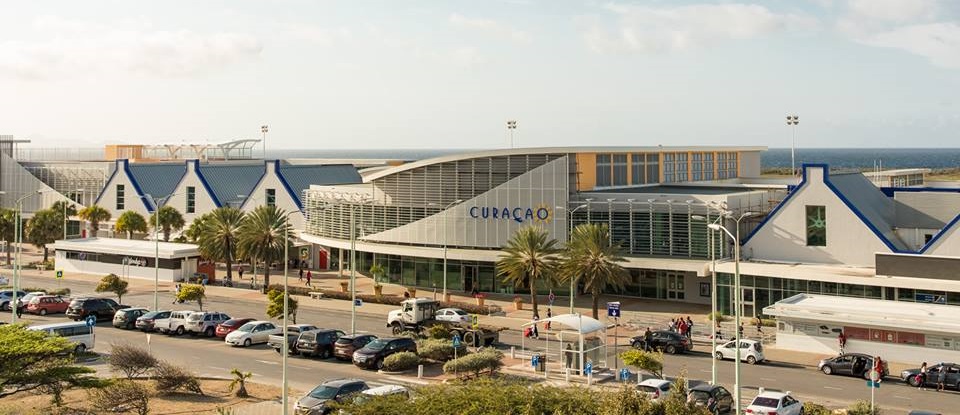
  • Nonstop from six U.S. airports: Atlanta, Charlotte, Chicago, Miami (about 2.5 hours), New York JFK and Newark
  • Nonstop from Montréal and Toronto in Canada, and from Amsterdam and Düsseldorf in Europe
  • Nonstop flights from across the Caribbean and South America
  • Avalon's campus at the World Trade Center in Willemstad is a short drive from the airport
Curaçao International Airport (Hato)
MIA to CURAbout 2.5 hours

Free time

Something for every interest

Beautiful beaches and spectacular diving, stunning architecture, adventures for every interest, plus music, art and a multicultural community make Curaçao a gem of the Caribbean.

  • Beaches & diving

    More than 30 beaches, from lively beach clubs to quiet coves, and some of the best scuba diving in the world, with beginner courses at local dive shops. Snorkelers often spot green and hawksbill turtles at Playa Grandi (Playa Piskado) and Playa Lagun, and boat trips visit Klein Curaçao, an uninhabited island where green turtles nest. Sea turtles are protected, so watch from a distance and never touch them.

  • Historic Willemstad

    The capital's colorful waterfront and historic center are a UNESCO World Heritage Site. Stroll the Handelskade, cross the floating Queen Emma Bridge from 1888 and explore Punda and Otrobanda.

    See the photos
  • Outdoor adventures

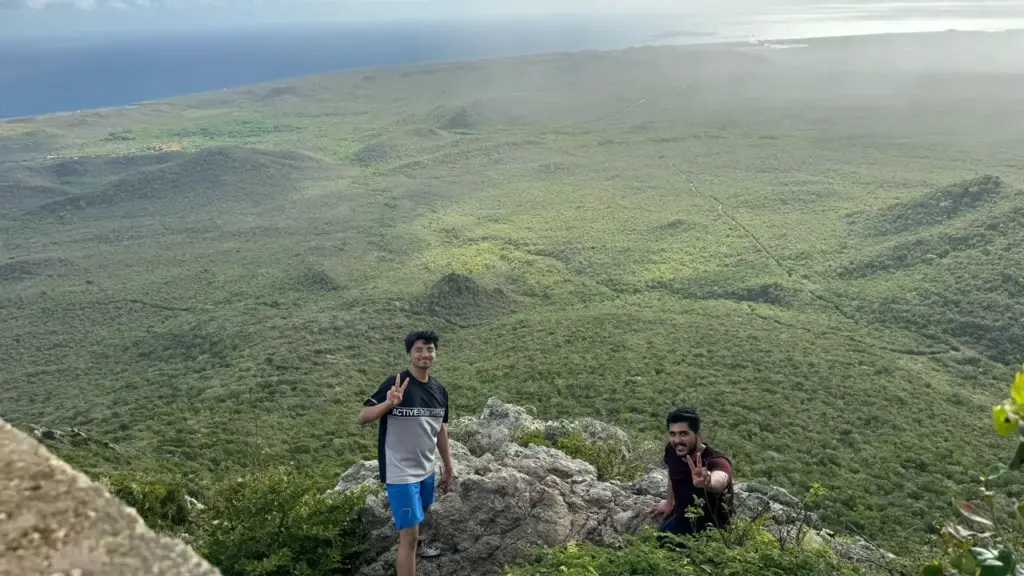
    Hike Mount Christoffel, the island's highest point, snorkel the Blue Room sea cave on the west coast, or spend a weekend exploring the coast. Avalon students and faculty climbed Christoffel together in October 2026.

    Read about the hike
  • Music & art

    Local music, art and culture, with a lively Carnival season early in the year, plus colorful murals in Otrobanda.

  • Many cultures

    A diverse, welcoming island where Caribbean, European, Latin American and Asian cultures meet. Avalon students celebrate it too, sharing dishes from home at the SGA's Culture Day.

    Culture Day
  • Shopping & movies

    Malls such as Sambil, with its food court and cinema, and Renaissance Mall on the Otrobanda waterfront, plus the shops along Punda's pedestrian streets.

Map

Find your way around the island

See where campus is and what is nearby, from restaurants and supermarkets to beaches, downtown Willemstad and the airport.
Show on the map

Open in Google Maps (opens in a new tab)

Explore Curaçao

Browse the island, see where campus is and find what is nearby.

Show the map

The map comes from Google Maps and loads only when you choose to show it.

From our blog

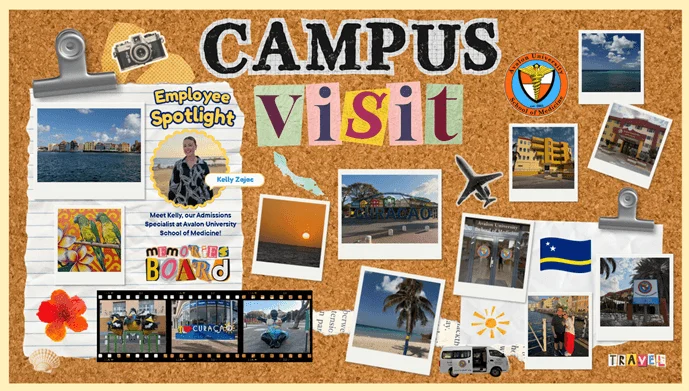
Life in Curaçao, in our own words

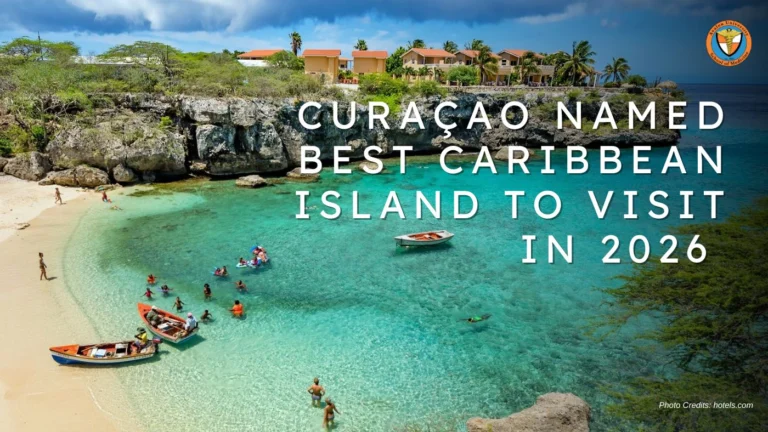
A first-hand look at campus and island life from our admissions team, and why USA Today’s 10Best named Curaçao the best Caribbean island to visit in 2026.

Read more on our blog

FAQ

Curaçao, answered

Planning your move?

Our admissions team can help with immigration, housing and travel to Curaçao.

Where is Curaçao?

In the southern Caribbean Sea, about 37 miles (60 km) north of Venezuela. It is the largest and most populous of the ABC islands: Aruba, Bonaire and Curaçao.

Is Curaçao in South America?

Curaçao is a Caribbean island, but it sits right next to South America: about 37 miles (60 km) off the coast of Venezuela. Because it lies on the South American continental shelf, some geographers count it as part of South America. Culturally and politically it belongs to the Caribbean, as an autonomous country within the Kingdom of the Netherlands.

Is Curaçao part of the Netherlands?

Curaçao is an autonomous country within the Kingdom of the Netherlands, with strong ties to the United States and South America.

What languages are spoken?

Dutch, English, Spanish and Papiamento, the local language. English is widely spoken, so getting around is easy.

What is the weather like?

Hot and sunny all year, averaging around 85°F (29°C), with constant trade winds from the east. Curaçao is outside the hurricane belt and has not had a hurricane in more than 150 years.

Will I find food I'm used to?

Yes. Alongside local Kriyoyo cooking, seafood, and Dutch, Indian and Chinese restaurants, you will find McDonald's, Burger King, KFC, Wendy's, Pizza Hut, Domino's, Subway, Starbucks, Denny's, Baskin-Robbins and Panda Express. Grocery stores carry vegetarian, halal and kosher options.

What currency is used?

The Caribbean guilder (XCG), which replaced the Netherlands Antillean guilder in 2025. US dollars and major credit cards are widely accepted.

How do I get to Curaçao?

Fly into Curaçao International Airport (Hato, CUR). There are nonstop flights from Atlanta, Charlotte, Chicago, Miami (about 2.5 hours), New York JFK and Newark in the United States, from Montréal and Toronto in Canada, and from Amsterdam and Düsseldorf in Europe, plus many routes across the Caribbean and South America.