
Step 5 · Enrollment

Getting ready for Curaçao

From immigration paperwork and flights to housing and settling into island life, find everything you need to prepare for your move to Curaçao.
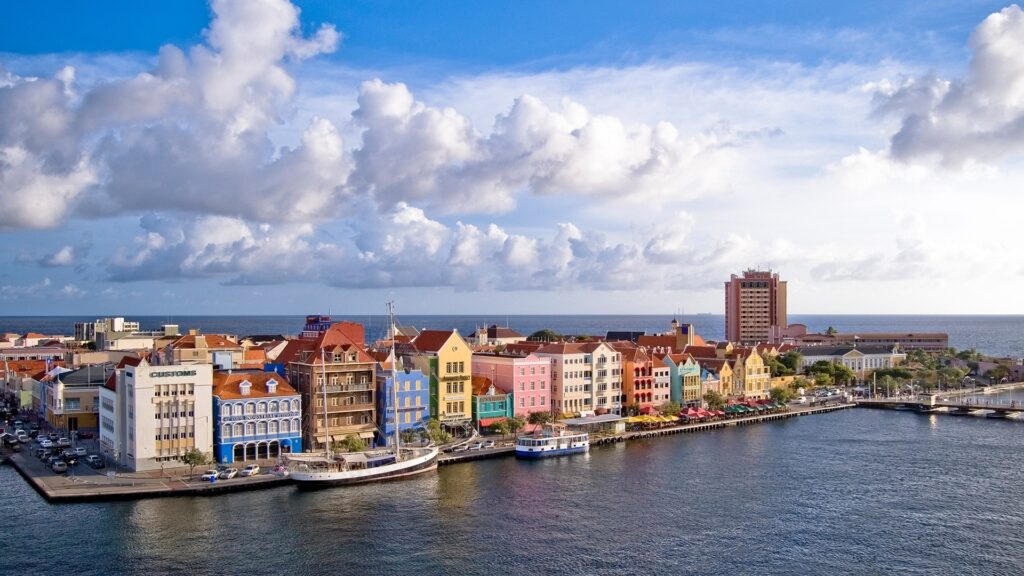
Curaçao
Around 85°F (29°C)Sunny all year, outside the hurricane belt

Curaçao immigration

Your student permit in four simple steps

Every student on campus needs a temporary student resident permit from Curaçao Immigration. It's simpler than it sounds, and we guide you the whole way.

  • 01

    Receive your checklist

    Personalized for your nationality and sent shortly after acceptance. Kelly Zajac, Admissions Specialist, is your contact for the permit until you arrive: kelly.zajac@avalonu.org

  • 02

    Send scans for review

    Use a scanner, not your phone: Curaçao Immigration does not accept phone photos of documents, even when they are converted to PDF. Our team reviews your scans before they're submitted.

  • 03

    The office submits your application

    Once your scans are approved, our office submits your application to Curaçao Immigration. Bring your original documents when you travel. Allow at least four months for processing.

  • 04

    Pack and fly

    Pack your original documents and travel papers in your carry-on. Within 7 days before you fly, complete the free Digital Immigration Card (DI Card) on its official site: enter your details exactly as they appear in your passport, add your travel details and save the confirmation. How to get to Curaçao (curacao.com, opens in a new tab)

    Official DI Card site (opens in a new tab)

Need a visa for Curaçao? There's one extra step once your landing permit is issued. Find out if you need one.

Flights & travel

Easy to reach

Curaçao International Airport (Hato, CUR) has nonstop flights from 26 airports in 14 countries, including eight in the United States and Canada and two in Europe.

  • United States: Atlanta, Charlotte, Chicago O’Hare, Miami, New York JFK and Newark
  • Canada: Montréal and Toronto
  • Europe: Amsterdam and Düsseldorf
  • Plus nonstop flights from Aruba, Bonaire, Sint Maarten, the Dominican Republic, Trinidad and Tobago, Panama, Colombia, Venezuela, Suriname and Brazil

Routes and schedules can change by season, so check current flights with the airlines.
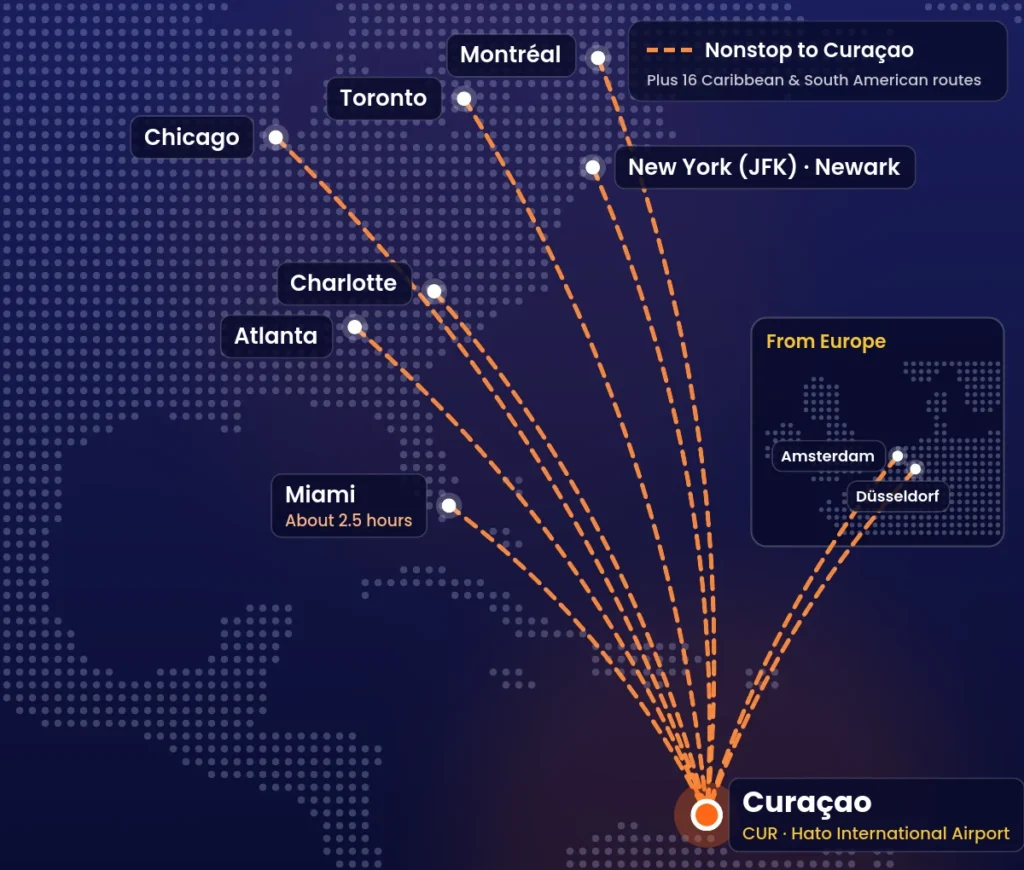
Map of nonstop flights to Curaçao from Chicago, Toronto, Montréal, New York JFK and Newark, Charlotte, Atlanta and Miami, and from Amsterdam and Düsseldorf in Europe
MIA to CURAbout 2.5 hours

Campus & housing

Campus, housing and the beach, close together

Avalon's campus, anatomy lab, and student housing are all conveniently located near one another and a public beach. About one to two months before your semester begins, you'll receive emails with information about housing options, books, supplies, and what to bring.
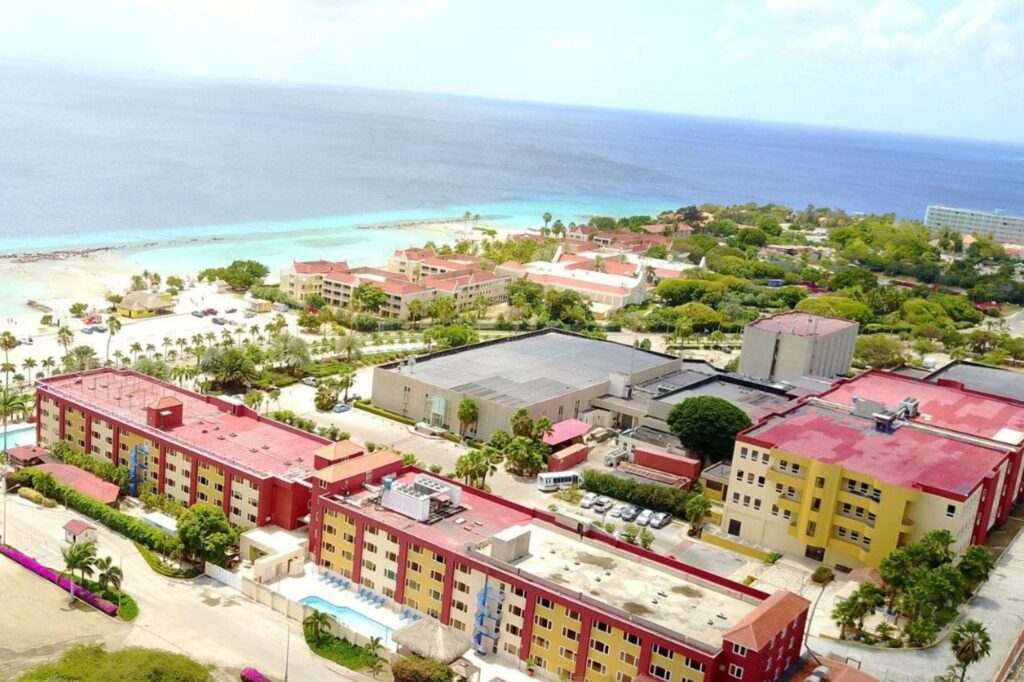
  • School campus and anatomy lab
  • Student housing
  • A public beach nearby
Avalon University campus in Curaçao

Packing list

What to pack for Curaçao

Curaçao is warm all year, so pack light and keep your documents in your carry-on. Tick items off as you pack; your ticks are saved in this browser. About one to two months before your semester begins, we also email you about housing, books and supplies.

In your carry-on

  • Do I need a visa?
  • Permit documents
  • Official DI Card site (opens in a new tab)
  • Travel-day list
  • Student housing

Clothes for the climate

For class and the lab

  • See the kit list
  • See the lab list
  • Recommended textbooks

Health and personal

Money and tech

  • See the adapter

For your room and free time

Plugs & power

Charging your devices

Most outlets in Curaçao are US-style (types A and B) at 127 V, 50 Hz. Some housing complexes have European outlets at 220 V instead, so you may need an EU-to-US plug adapter, like the one shown, to charge your laptop and phone.
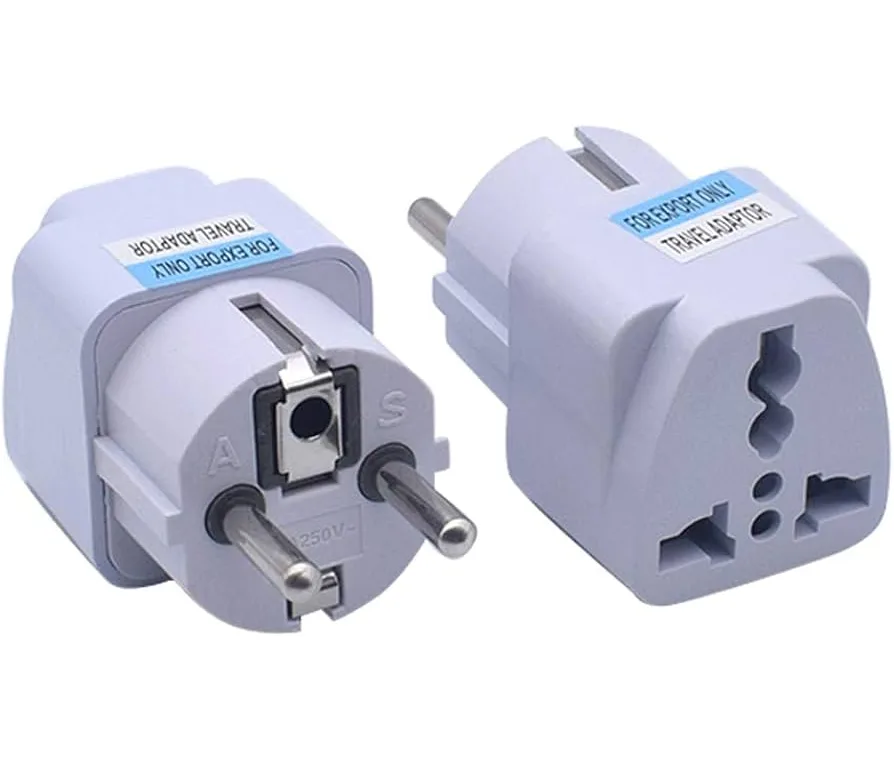
  • Phone and laptop chargers usually work on 100–240 V. Check the label, then plug in through the adapter.
  • For other electrical gadgets, such as hair dryers, straighteners or kettles, check the label to make sure they work on 220 V before you plug them in.
  • An adapter only changes the shape of the plug. It does not change the voltage.
Travel plug adapter with round European pins on one side and a socket for US plugs on the other
EU-to-US plug adapterFits a European outlet and takes US plugs

Life in Curaçao

A safe, modern, beautiful place to study

Curaçao offers a high standard of living, excellent infrastructure, and a vibrant mix of cultures, languages, and cuisines, making it a wonderful place to live and study.

  • Sunny all year

    Enjoy warm temperatures around 85°F (29°C), with refreshing sea breezes to keep things comfortable.

  • Outside the hurricane belt

    Curaçao hasn't experienced a hurricane in more than 150 years.

  • English widely spoken

    Dutch, English, Spanish, and Papiamento are commonly spoken throughout the island.

  • Food for everyone

    Enjoy fresh seafood, Dutch and local Creole cuisine, Indian and Chinese restaurants, and familiar North American chains. You'll also find halal, kosher, and vegetarian options.

  • 30+ beaches

    Explore more than 30 beautiful beaches, plus some of the Caribbean's best scuba diving.

  • Part of the Kingdom of the Netherlands

    Home to approximately 150,000 people, Curaçao is located just 37 miles north of Venezuela, with close connections to the Caribbean, the U.S., and South America.

A taste of home

Familiar North American chains

Craving something familiar? You'll find several popular restaurants from the U.S. and Canada right here in Curaçao.

  • Burgers

    Enjoy familiar favorites like McDonald's, Burger King, and Wendy's. McDonald's has several locations around the island, and Wendy's is conveniently located at the airport.

  • Fried chicken

    KFC has several locations in and around Willemstad.

  • Pizza

    Pizza Hut and Domino's are great options for takeout or a pizza night with classmates.

  • Subs

    Subway has locations in Willemstad and around the island.

  • Coffee

    Starbucks, in Otrobanda at Renaissance Mall.

  • Ice cream

    Baskin-Robbins, with several shops on the island.

  • Diner classics

    Denny's, the American diner for pancakes, burgers and late-night meals.

  • American-Chinese

    Panda Express, at Curaçao International Airport.

Restaurants open, close and change hours, so check Google Maps for the nearest location before you go.

FAQ

Moving to Curaçao

Questions about your move?

Our admissions team will guide you through immigration, housing and travel.

Does every student need a resident permit?

Yes. All entering students must obtain a temporary student resident permit from Curaçao Immigration. You must be 18 or older when your documents are submitted. Read the immigration guide

How much money do I need to show?

A bank statement showing at least US $7,000, or verification of a $600 monthly deposit for 12 months.

How do I get to Curaçao?

Fly into Curaçao International Airport (Hato, CUR). There are nonstop flights from Atlanta, Charlotte, Chicago, Miami (about 2.5 hours), New York JFK and Newark in the United States, from Montréal and Toronto in Canada, and from Amsterdam and Düsseldorf in Europe, plus many routes across the Caribbean and South America. How to get to Curaçao, from the Curaçao Tourist Board (opens in a new tab)

What should I pack for Curaçao?

Pack light summer clothes, sun protection and a swimsuit: Curaçao averages about 85°F (29°C) all year. Keep your passport, original permit documents and travel-day papers in your carry-on. MD students also need a physical diagnosis kit and anatomy lab supplies, so buy them before you leave, since Amazon.com does not deliver to Curaçao. See the full packing list

What is the DI Card and when do I fill it in?

The Digital Immigration Card (DI Card) is Curaçao’s online entry form, and every traveler fills in their own. Complete it within 7 days before you fly at the official site, dicardcuracao.com (opens in a new tab): enter your details exactly as they appear in your passport, add your travel details, then save or download your confirmation. The official form is free, so avoid websites that charge a fee. If your plans change, edit your existing card instead of starting a new one. Questions about the form go to dicardsupport@curacao.com.

When will I hear about housing?

About one to two months before your semester begins, you receive emails about housing options, books, supplies and what to bring to campus.

What is the weather like?

Hot and sunny all year, averaging around 85°F (29°C), with constant trade winds from the east. Curaçao is outside the hurricane belt.

Is Curaçao safe?

Curaçao is a modern, well-developed island with one of the highest standards of living in the Caribbean and a safe, welcoming environment for students.

Not applied yet?

Picture yourself here

Apply online in one sitting, or save your application and finish later.

Next start: January 11, 2027 · now enrolling